Is the Car Still Covered While the Estate Is Settled
The policy doesn't end just because the owner died, but someone has to keep paying it and tell the insurer what's happening.
Yes, as long as someone keeps the policy active
The insurance doesn't stop automatically when a person dies. The policy stays in force the same way it would if the owner were still alive, which means coverage continues as long as the premium gets paid and the policy isn't cancelled.
What changes is who's responsible for that. The executor or administrator of the estate usually takes over paying the premium and dealing with the insurer, and they need to let the insurer know the owner has died. Most insurers have a process for this, and it's worth calling them directly rather than guessing at what they need.

Who's driving the car during probate matters
If the car sits unused while the estate is settled, that's one situation. If a family member is driving it regularly, that's another, and the insurer needs to know which one applies.
A policy written for the person who died may not extend cleanly to someone else driving the car, even a spouse or adult child living in the same house. Some insurers will add that driver to the existing policy for the time being. Others may ask that a new policy be written in the estate's name or in the new driver's name.
This is not something to guess about. Call the insurer, explain who is driving the car and how often, and ask what they need from the estate to keep the coverage valid. If an accident happens and the insurer finds out an unlisted driver was behind the wheel regularly, that can affect whether the claim is paid.
What most people get wrong about the title and the policy
People sometimes assume that because the car still legally belongs to the person who died, on paper, until probate closes, the insurance doesn't need to change. That's backwards. The insurer doesn't care who holds title. They care who is paying the premium, who is driving, and whether anyone has told them the circumstances changed.
Another common mistake is letting the policy lapse because no one wants to deal with it during a difficult time. If the premium isn't paid, the coverage ends like it would for anyone else, and the car sits uninsured, parked or not. Estates have been caught out by this when a car in a garage gets damaged or stolen and the family finds there was no active policy at the time.
The safest approach is for the executor to keep the existing policy paying and in force until there's a decision about who inherits the car or whether it will be sold, then handle the change of ownership and the matching insurance change at the same time.
Questions people ask about this
Who is responsible for car insurance after someone dies?
Usually the executor or administrator of the estate, since they're managing the deceased person's financial affairs including paying bills tied to assets like a car. If there's no formal executor yet, a close family member often handles it informally until probate names one, but they should check with the insurer about what authority they need to make changes to the policy.
Can I drive a deceased parent's car before probate is finished?
This depends on the state and the insurer, so it's worth checking both. Some states allow a surviving family member to use the car during probate without transferring title immediately, but the insurance has to be sorted out separately. Call the insurer and ask directly whether you can be added as a driver or whether a new policy is needed.
Does car insurance automatically cancel when the policyholder dies?
No, the policy itself doesn't cancel automatically. It stays active as long as premiums keep getting paid, which is why the estate or a family member needs to keep up with billing and notify the insurer of the death so they can update the account correctly.
What happens to a car insurance claim if the owner died before it was settled?
An open claim doesn't disappear with the policyholder. The insurer will usually continue processing it, but the executor or a named beneficiary may need to provide paperwork showing they have authority to act on the estate's behalf. Ask the insurer what documents they require to keep the claim moving.
Do I need to change the car insurance before transferring the title?
It's generally better to have the insurance in the new owner's name before the car is driven under their ownership, since a mismatch between who owns the car and who insures it can complicate a claim. Check with the insurer about timing, since some allow coverage to continue briefly during the transfer process and others don't.
See what it would cost to insure the car in your name or the estate's, so you know before you make any changes.
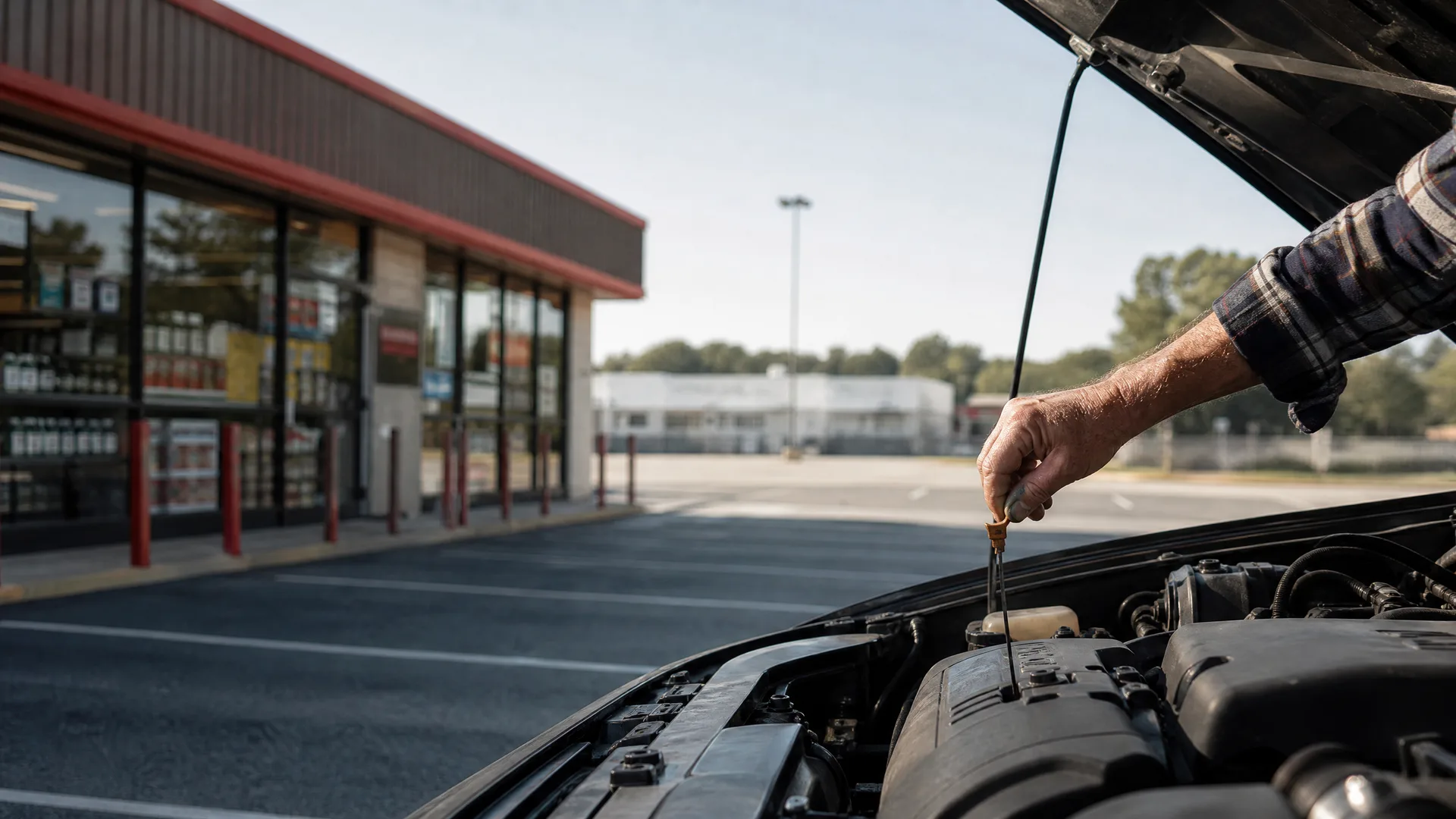
Call the insurer this week and tell them the policyholder has died, even if nothing else has changed yet. Ask what they need to keep the policy active, who can be added as a driver, and what happens if the car isn't driven for a while. Keep paying the premium until the estate decides whether to sell the car or transfer it to someone, since a lapse in coverage is the easiest problem to avoid and the hardest to undo after something happens. If a family member is using the car regularly, get them added to the policy now rather than waiting for probate to close.