Should I Keep Comprehensive on a Car Sitting Unused
It depends on what the car is worth and what could still happen to it while it sits.
It depends on the car's value and where it's parked
If the car is worth very little, comprehensive may cost more over a year than the car would be worth if it were stolen or damaged. In that case dropping it can make sense. If the car still has real value, comprehensive is often the cheaper bet, because a car sitting still can still be hit by a falling branch, a flood, a fire, or a thief, and none of that requires the car to be driven.
What changes the math is where the car sits. A car in a locked garage faces less risk than one parked on the street. A car in a region with hail, flooding, or wildfire risk faces more. Your insurer prices comprehensive based on that risk whether the car moves or not, so the question isn't really about use, it's about what the car is worth against what a year of coverage costs.
What the car is actually worth right now
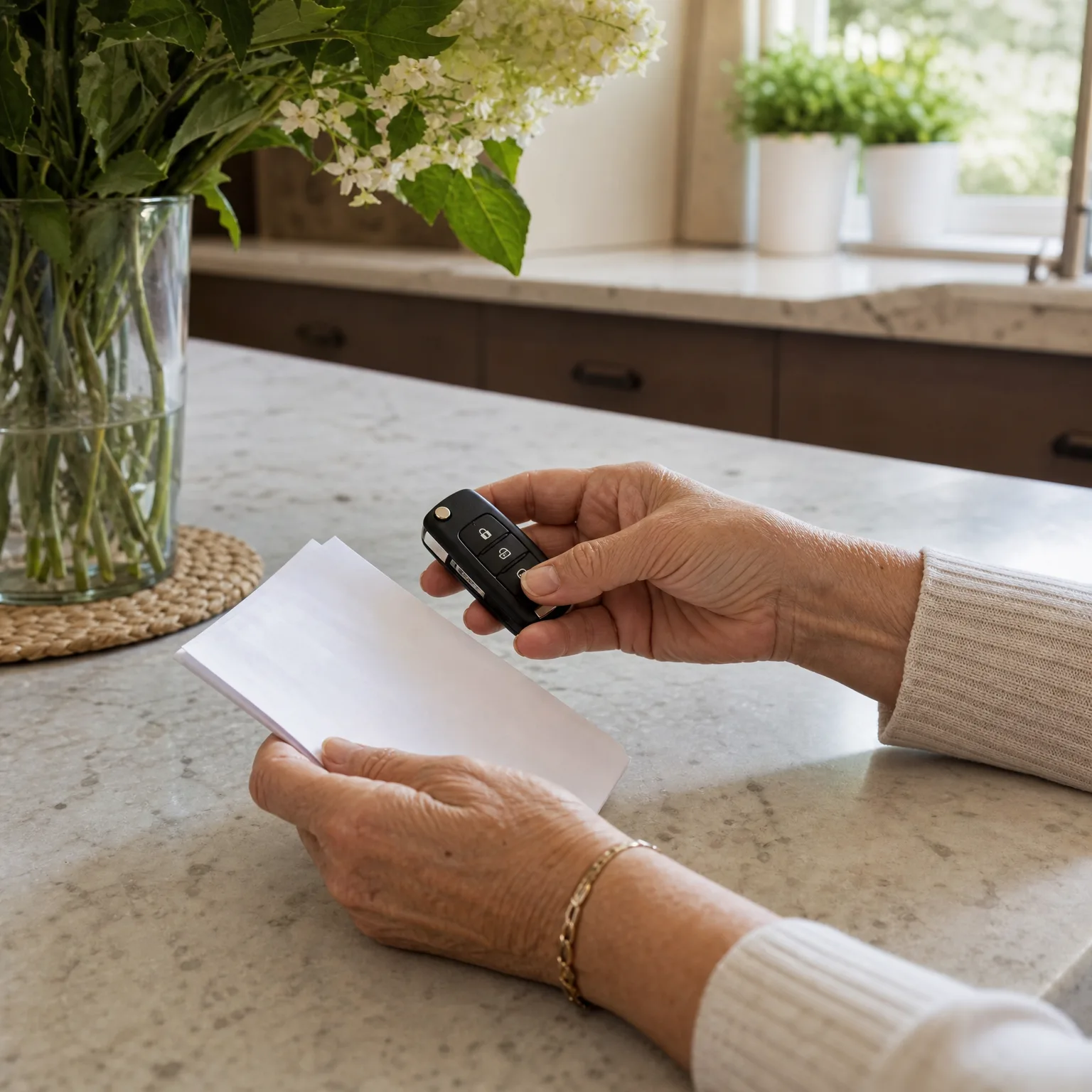
Comprehensive only pays out up to the car's actual cash value, not what you paid for it or what it would cost to replace. Before you decide anything, get a real sense of what your car would fetch today. If that number is low, the coverage may not be worth carrying.
Ask your insurer what the premium for comprehensive alone would run for the time the car sits unused. Compare that to the car's value. If the premium over that stretch comes close to a meaningful share of the value, dropping it starts to make sense.
If you do drop comprehensive, understand what you're exposed to. Theft, vandalism, fire, falling objects, and weather damage would all come out of your own pocket. That's a real trade, not just a formality.
Some owners keep comprehensive on an older car anyway, simply because replacing it, even for a small payout, beats paying for a tow and a tank of gas to get something newer.
Whether the car stays registered and insured at all
Many states require continuous insurance on any registered vehicle, even one that never leaves the driveway. Letting all coverage lapse while keeping the car registered can trigger a lapse notice or a suspension, depending on the state. Check with your state's motor vehicle agency before you cancel everything.
If you don't plan to drive the car for a long stretch, ask your insurer about a non-operational or storage status instead of just dropping comprehensive. Some states and some insurers allow you to suspend liability coverage while keeping comprehensive in place, since that's the part protecting the car itself, not your driving.
If the car is going to sit for months, write down the exact dates you expect it to stay parked. That's the number you'll want when you call your insurer, because the savings only make sense if you know how long the lower coverage will actually last.
Questions people ask about this
can I just remove liability coverage and keep comprehensive?
Some insurers let you do this, often called a storage policy or inactive coverage. It depends on your state and your insurer, so ask directly whether they offer it and what the car needs to qualify, like staying off public roads.
does comprehensive cover a car that's parked in a garage?
Yes, comprehensive still applies to a car in a garage, since it covers things like fire, theft, and weather damage rather than collisions. A garage lowers the risk, which may lower the premium, but it doesn't make the coverage unnecessary.
what happens if I cancel insurance on a car I still own?
If the car stays registered, canceling all insurance can lead to a lapse notice, a fine, or a registration hold, depending on your state. Check with your state's motor vehicle agency before canceling everything, even on a car you never drive.
will dropping comprehensive lower my rate when I start driving the car again?
Reinstating comprehensive later usually means paying the current rate for it, not a discounted one. Ask your insurer whether a gap in that coverage affects your premium or your standing with them when you add it back.
is it cheaper to sell the car than keep insuring it while unused?
That depends entirely on what the car is worth, what storage or insurance costs you over time, and whether you plan to use it again. Compare the car's current value against what a year of minimal coverage would cost before deciding either way.
See what keeping or dropping comprehensive would actually cost for this car.
Find out what your car is worth today using a valuation tool or a local dealer estimate. Call your insurer and ask what comprehensive alone would cost for the months the car will sit, and whether they offer a storage or non-operational status. Check with your state's motor vehicle agency about whether a registered car needs continuous insurance even if it's not driven. Write down exactly how long you expect the car to sit before you decide anything. Then compare the coverage cost against the car's value and against what you'd lose if something happened to it while it sat uninsured.