
What to Do First After a Spouse Dies
The car insurance policy needs attention within the first few weeks, mainly to keep coverage active and make sure it's priced for one driver instead of two.
Call the insurer and ask them to update the policy
The policy should stay in the surviving spouse's name, with the insurer told about the death so they can remove the deceased as a listed driver. This usually needs a copy of the death certificate, so request several copies early since other accounts will ask for the same thing.
Until the insurer is told, the policy still shows two drivers and may still reflect discounts or a rate based on both of them. Updating it can change the premium, sometimes down if a higher-risk driver is removed, sometimes up if a multi-driver discount drops away. Either way, the insurer needs to know before the next renewal, not after.
Whose name the policy is in
If the policy was only in the deceased spouse's name, the surviving spouse may need to open a new policy rather than simply edit the old one. Some insurers will transfer continuous coverage and driving history to the survivor, others treat it as a new application. Ask the insurer directly which applies.
If the car itself was titled only to the deceased spouse, that affects both insurance and registration. The title may need to be transferred before the insurer will treat the surviving spouse as the owner on record, and state rules on how to do that vary.
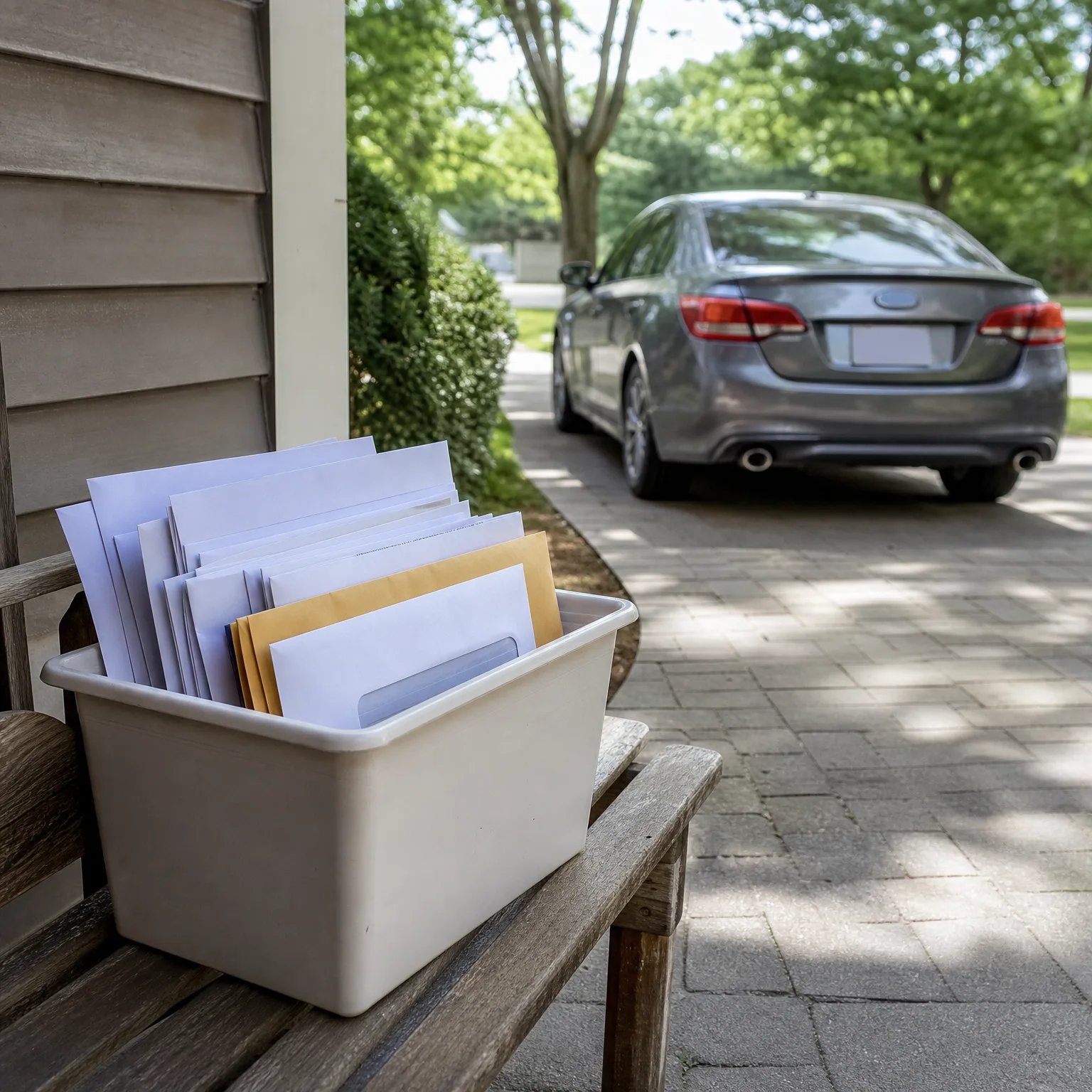
It helps to pull together the policy number, the vehicle title, and the death certificate before making the call, since the insurer will likely ask for all three.

Other coverage tied to the same policy
If the household had more than one car insured together, or life or home insurance bundled with the same company, those all need the same update. A death affects every policy that listed the spouse as a driver, owner, or beneficiary, not just the one that comes to mind first.
Any discount that depended on having two drivers or two policies on the account should be checked separately. Losing a multi-policy or multi-driver discount is common and worth asking about directly, since it can be the real reason a premium changes even after everything else is settled.
If there's a life insurance policy with a death benefit, that claim is separate from anything to do with car insurance and should be started with the life insurer on its own timeline.
Questions people ask about this
Does car insurance automatically cancel when a policyholder dies?
No, the policy stays in force until the insurer is told otherwise and someone asks them to change it. Coverage doesn't lapse on its own, but it also won't update itself, so a survivor who does nothing may be paying for a policy that no longer reflects who's actually driving.
Can I keep driving the car while the insurance is still in my spouse's name?
In most cases yes, as long as the policy is active and you're a listed driver on it, but check with the insurer to be sure. If you weren't listed on the policy before, tell the insurer now rather than waiting, since an unlisted driver can complicate a claim.
What happens to a joint auto policy after one spouse dies?
The surviving spouse usually keeps the policy and has the deceased removed as a driver, but how smoothly that happens depends on the insurer. Ask whether your driving history and any safe-driver record carry over, since that can affect your rate going forward.
Do I need a new car insurance policy if my spouse was the only one listed as the owner?
Possibly, since insurers generally want the policyholder and the title to match. If the car was solely in your spouse's name, check with your state's motor vehicle agency about transferring the title, and tell the insurer once that's done.
Will my car insurance rate go up after my spouse is removed from the policy?
It depends on what the premium was based on before. If your spouse had a driving record that lowered the household rate, or if removing a driver means losing a multi-driver discount, the cost can rise. The only way to know is to ask the insurer directly once the change is made.
See what a policy in your name only would cost before you commit to one.
Call the insurer this week with the policy number, the vehicle title, and a copy of the death certificate in hand. Ask them to remove your spouse as a driver, confirm whether the title needs to be transferred first, and ask how the change affects the premium and any discounts. If other policies, like a second car or a home policy, are bundled with this one, ask about those in the same call. Once the policy reflects just you, it's worth comparing quotes from a few insurers to see whether the new rate is a fair one for a single driver.