What Happens to Car Insurance When Main Driver Dies
The policy doesn't end on its own. Someone has to tell the insurer, and the remaining drivers need to get listed properly to stay covered.
The policy stays active until someone cancels or changes it
Car insurance doesn't automatically end when a driver dies, even if that person was the main driver on the policy. The policy is tied to the account holder and the vehicle, and it keeps running until someone contacts the insurer and makes a change.
What happens next depends on who else was on the policy and whose name the account was under. If the main driver was also the policyholder, the family or estate needs to call the insurer to update who's responsible for the policy, or to cancel it if no one else will drive the car. If someone else is still driving the vehicle regularly, that person usually needs to be named as the policyholder going forward.
Whose name the policy was in
If the person who died was listed as the policyholder, meaning the bills came in their name, the policy needs a new policyholder. Insurers won't keep sending renewal notices to someone who has died, and a lapse can happen quietly if no one steps in.
A surviving spouse or household member who was already listed as a driver on the policy usually has the easier path. They can call the insurer, explain the situation, and ask to be moved into the policyholder role. The vehicle and the coverage can often continue without a gap this way.
If the person who died was the only driver and the only one on the policy, the policy likely needs to be canceled rather than transferred. Someone handling the estate should contact the insurer directly rather than letting it renew on its own.
Either way, the insurer will ask for a death certificate. It's worth asking what else they need at the same time, since some insurers also want a copy of the will or documentation showing who's authorized to make changes.
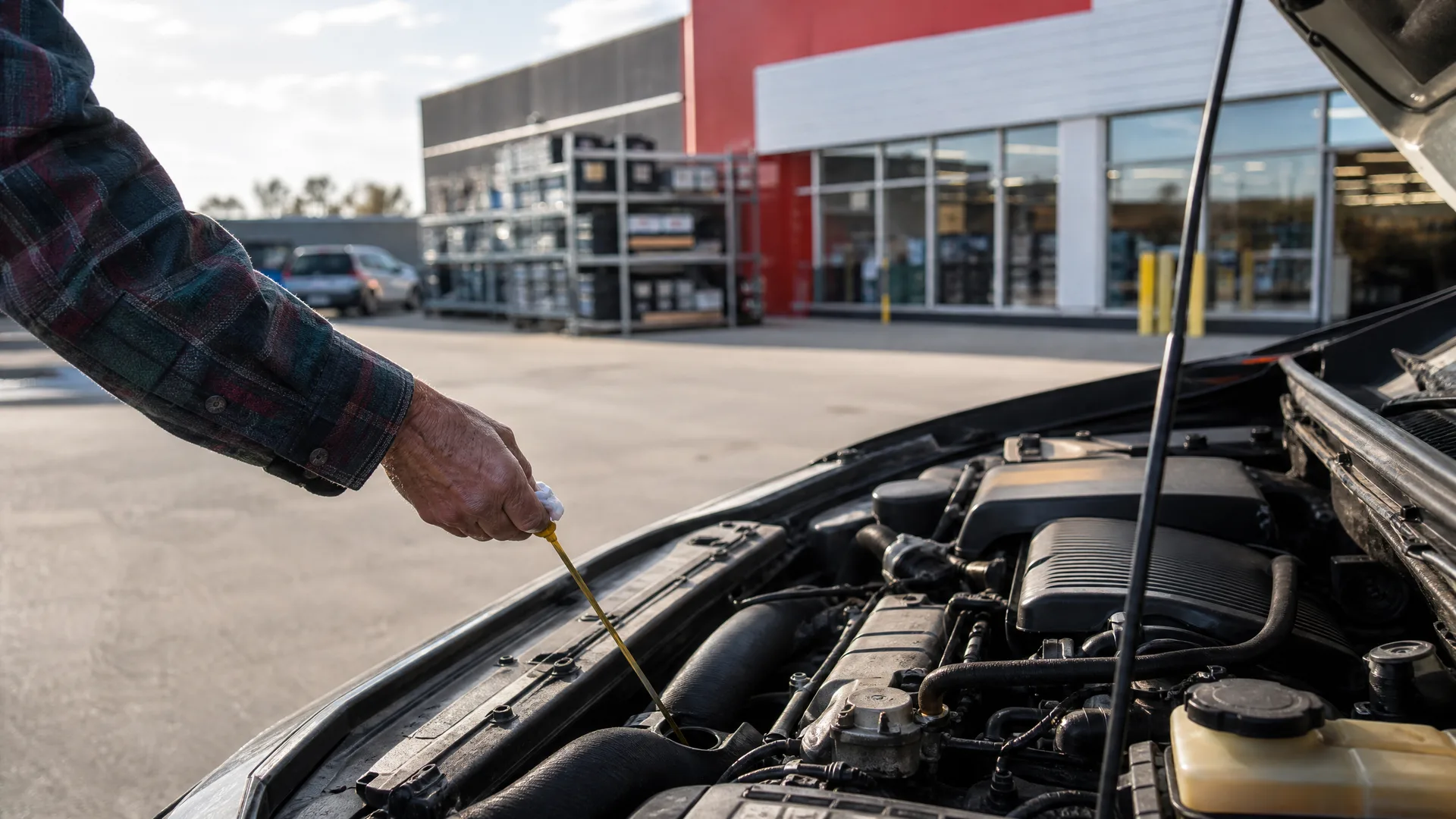
Whether another driver still needs the car covered
If someone else in the household plans to keep driving the car, they need to be the one on the policy, not just an occasional driver mentioned to the agent. Driving a car that's only insured under a policy for someone who has died can create real problems if there's ever a claim.
The insurer will usually ask for the new driver's own driving history and may reassess the premium based on that history rather than the previous driver's record. A long-time safe driver passing away can actually raise the cost for whoever takes over the car, since the new policyholder's own record is what gets priced.
If no one in the household wants to keep the car or the coverage, canceling is straightforward, but it should be done through a direct call rather than just letting payments stop. Nonpayment can get reported as a lapse or cancellation for cause, which is different from a clean, requested cancellation and can matter later if that person ever needs to get insurance under their own name.
Questions people ask about this
Do I need to cancel my parent's car insurance right away after they pass away?
Not immediately, but it shouldn't wait too long either. The car still needs to be insured if it's being driven or even just parked somewhere it could be damaged or stolen, so canceling too fast can leave a gap in coverage. Call the insurer when you're ready and ask what they need to either transfer or cancel the policy.
Who is responsible for a car loan if the main driver dies?
The loan itself is a separate matter from the insurance and is typically handled through the estate or whoever co-signed the loan. The insurer only cares about who owns and insures the vehicle now, not who's paying off the loan. If the car is still financed, check with the lender too, since some loans require continuous insurance coverage as a condition of the loan.
Will my insurance rate go up if I become the new policyholder after someone dies?
It depends on your own driving record and how the insurer rates you as the new policyholder. If you were already listed as a driver on the policy, the change may be minor. If you're new to the policy entirely, the insurer will likely look at your history on its own rather than carrying over the previous rate.
What documents does the insurance company need when a driver dies?
Most insurers ask for a death certificate at minimum. Some also want proof of who's authorized to make changes to the policy, such as a will or estate paperwork, especially if the person who died was the only name on the account. Ask the insurer directly what they require, since this can vary by company.
Can I keep driving the car before the insurance policy is updated?
If you're already listed as a driver on the existing policy, the coverage likely still applies to you while changes are sorted out. If you weren't listed as a driver, check with the insurer before driving the car regularly, since an unlisted driver can complicate things if there's ever a claim.
If you're taking over a policy or starting a new one after a loss in the family, it's worth seeing what other insurers would charge before you commit to one.
Call the insurer this week rather than waiting for a renewal notice to arrive. Have the death certificate ready, along with the policy number and the name of whoever will be the new policyholder if the car is staying in the family. Ask directly whether the policy can be transferred or needs to be canceled and started fresh. If another household member will be driving the car, ask how their own driving history will affect the rate. If no one plans to keep the car insured, ask for a cancellation date rather than letting the policy lapse on its own.