
What Happens to a Leased Car After a Death
The lease doesn't end with the death. It becomes part of the estate, and someone has to deal with it.
The lease becomes the estate's responsibility
A car lease is a contract, and like other debts, it doesn't disappear when the person who signed it dies. The remaining payments, and the obligation to either keep up the lease or end it early, pass to the estate.
What happens next depends on what the estate's executor decides and what the leasing company allows. Some leasing companies will let a family member take over the remaining payments and keep the car. Others require the estate to pay it off or return it. The lease agreement itself will say what options exist, and the executor or family will need to contact the leasing company directly to find out.
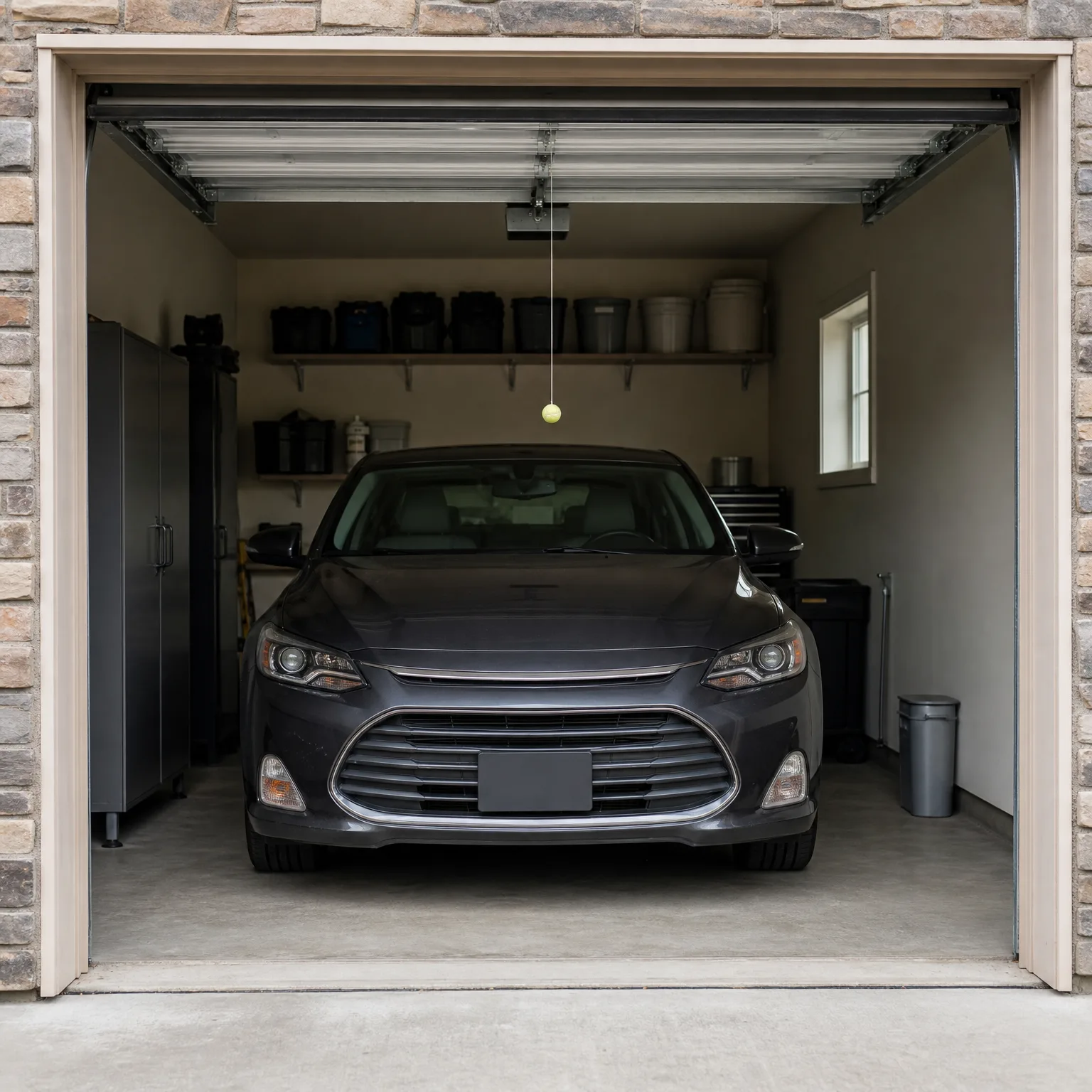
Whether anyone wants to keep the car
If a family member wants to keep driving the car, the first call is to the leasing company to ask about transferring or assuming the lease. Not every leasing company allows this, and the person taking it over will usually need to qualify financially, the same as anyone applying for a lease.
If the lease can be assumed, that person also needs their own auto insurance policy on the car before they drive it. The deceased's policy doesn't transfer to them.
If no one wants the car or no one qualifies to take over the lease, the estate's options are usually to pay the lease off early, which often costs more than letting it run, or to return the car and pay any early termination charges the lease specifies.
Either way, insurance on the car needs to stay active the entire time it's in anyone's possession, right up until it's returned or the new driver's own policy takes over.
What the lease agreement actually says
Every lease is different, and the contract itself sets the rules for what happens in this situation. Some leases include provisions for the death of the lessee, others don't address it at all, and the leasing company's standard practice fills the gap.
The executor should locate the lease documents and read what they say about early termination, transfer, and any fees attached to either. This is also the document that says whether gap insurance or lease-specific coverage was included, which can matter if the car is returned or if something happens to it while the estate is sorting things out.
If the lease is silent or unclear, someone handling the estate should call the leasing company and ask directly what the process is, rather than guess. Leasing companies handle this situation regularly and can explain their own requirements better than the contract alone might.
Questions people ask about this
Does the leasing company need to be notified right away?
Yes, the leasing company should be told as soon as reasonably possible. They need to know who is handling the estate and who, if anyone, has possession of the car, since the lease and any insurance tied to it are still active and their records need to reflect who's responsible.
Who pays for insurance on a leased car after the owner dies?
Whoever has possession of the car needs to keep insurance on it, since leases require continuous coverage. If the estate is holding the car until it's returned, the estate typically covers this. If a family member takes over driving it, they need their own policy.
Can a leased car be included in a will?
A lease itself usually can't be left to someone the way owned property can, since the car isn't owned outright and the lease is a contract with specific terms about transfer. What can happen is that the estate pays off the lease or someone qualifies to assume it, but check with the leasing company about what the contract allows.
What happens if lease payments are missed during the estate process?
The leasing company can treat missed payments as a default, the same as with any lessee, which may lead to repossession or additional fees charged to the estate. Executors handling a lease should keep payments current or contact the leasing company promptly if that's not possible.
Is a leased car that was gifted to someone before death part of this situation?
If the person who died was still the sole lessee on the contract, the lease obligation and the question of transfer apply regardless of who was driving the car. Only a formal lease transfer completed with the leasing company before death would change that.
If you're about to take over a car, start by getting your own insurance sorted out.
Find the lease agreement and call the leasing company to ask what happens next, since every leasing company handles this a little differently. Have the lease account number and a death certificate ready, since most companies will ask for one. If a family member plans to keep driving the car, that person should get insurance quotes and have a policy ready to start the moment the car is in their name or possession. If the car is being returned, ask about any early termination costs before scheduling that, so there are no surprises for the estate. Keep the existing insurance active until the car is either returned or formally transferred, since a gap in coverage is a real risk whoever is holding the keys.