Should I Sell My Spouse Car or Keep It Insured
There's no single right answer. It comes down to how much that car actually gets used and what keeping it insured costs you each month compared to what you'd gain by selling it.
It depends on how much the car is driven, not just who drives it
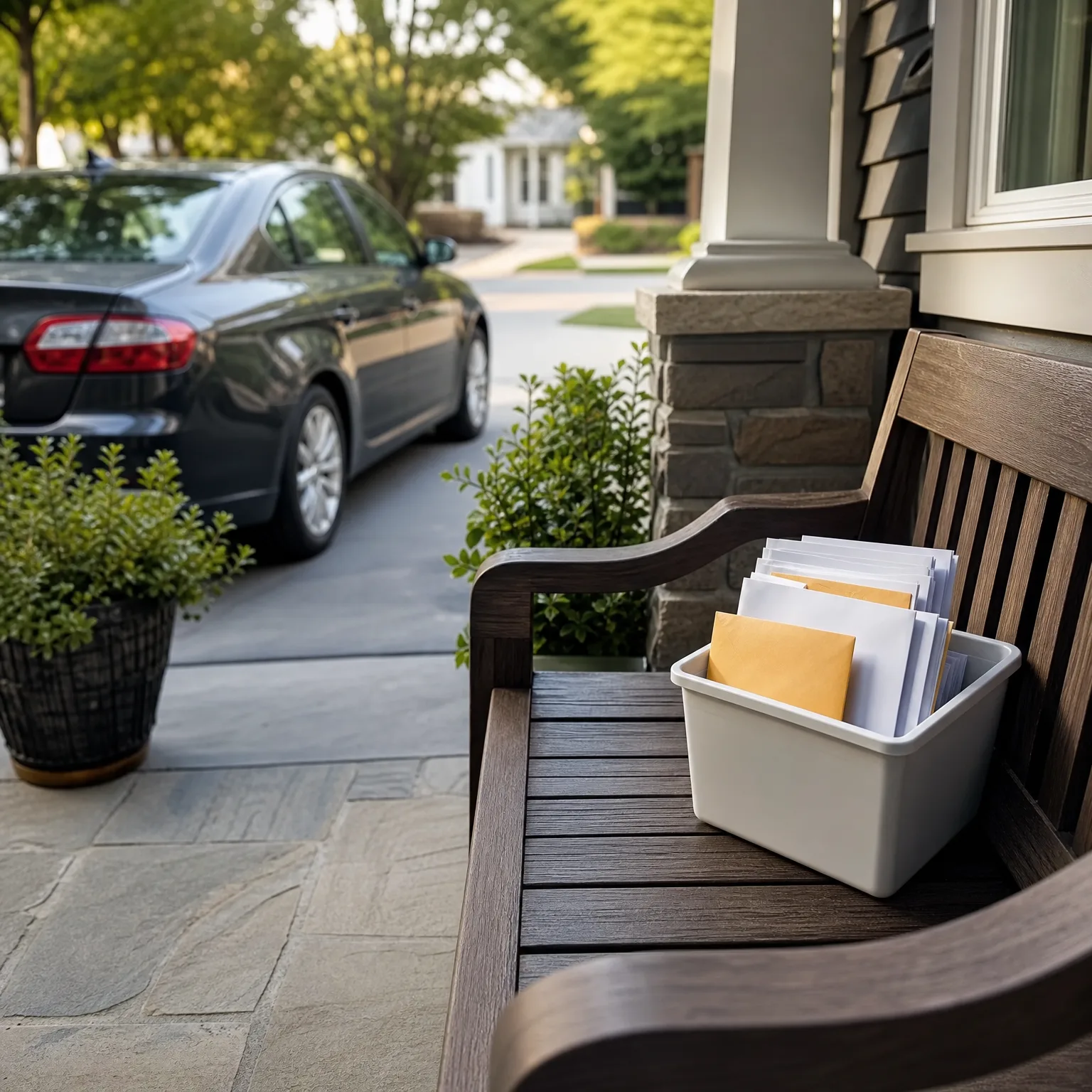
If the car sits most days and only gets driven occasionally, keeping it insured usually costs more than it's worth. You're paying a premium every month, plus maintenance, registration, and depreciation, for a car that spends most of its life in the driveway.
If you or your spouse drive it regularly, or if one of you needs a backup car for medical appointments, errands, or emergencies, keeping it insured can make sense even if the mileage is low. The real question isn't whether the car is used every day. It's whether having it available is worth what it costs to keep running and insured.
How your insurer treats a second car matters
Some insurers offer a lower rate for a car that's driven less, sometimes called a low-mileage or pleasure-use discount. If your spouse's car qualifies, keeping it insured might cost less than you'd expect. Call your insurer or agent and ask directly whether that car qualifies for a reduced rate based on how it's actually used.
If you drop a car from your policy entirely, ask what happens to your multi-car discount on the vehicle you keep. Some insurers lower your rate when you insure more than one car. Losing that discount can offset some of what you'd save by removing the second car.
If you're thinking about selling rather than just removing it from the policy, ask your insurer whether there's a gap in coverage between when you cancel and when the sale closes. You don't want the car uninsured while it's still sitting in your driveway.
If your state requires proof of insurance to keep a car registered, check what happens to the registration if you cancel coverage but don't sell right away. Some states require you to surrender plates or registration at the same time you drop coverage.
What most people get wrong is counting only the insurance cost
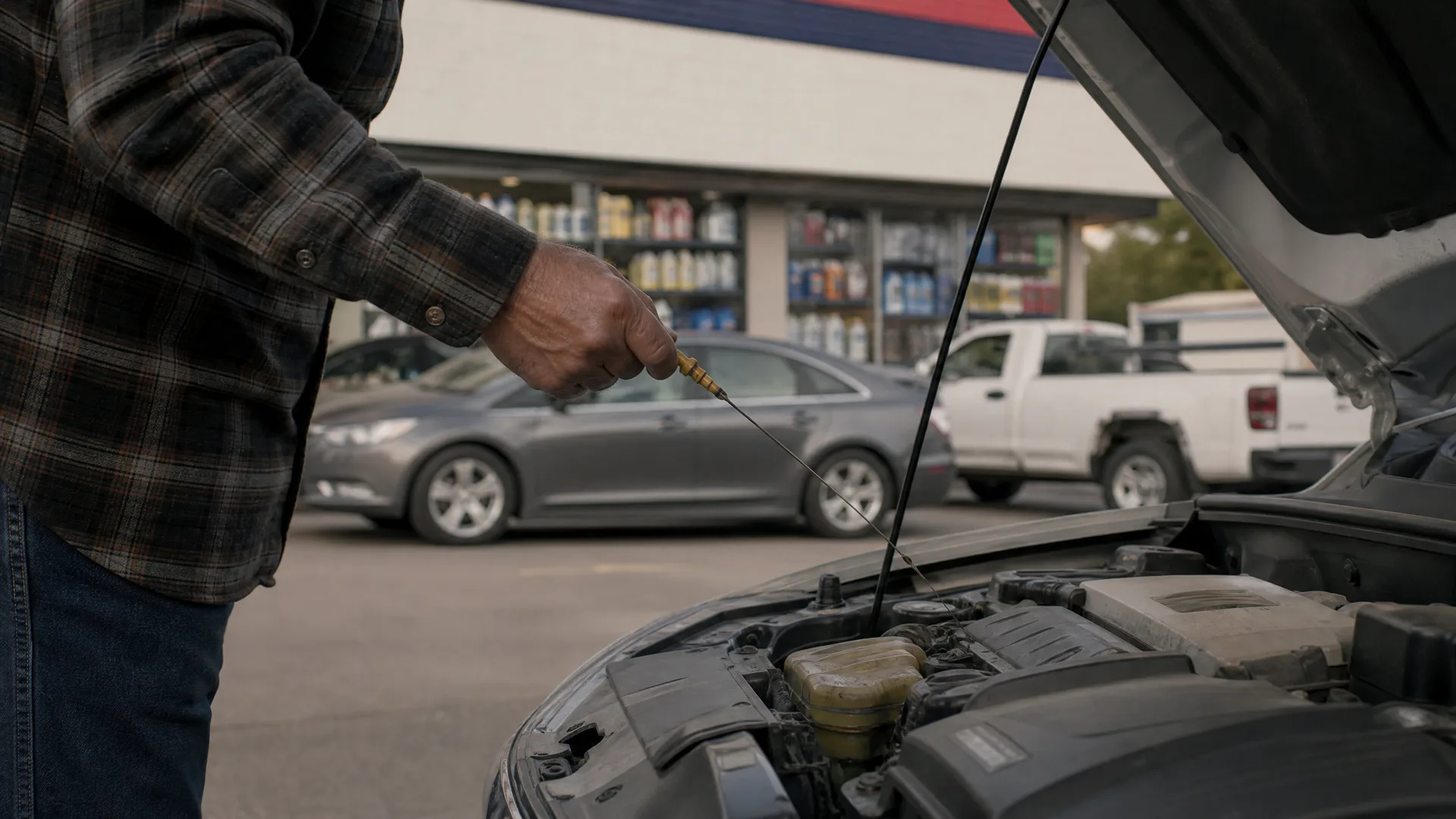
Selling a car doesn't just save you the premium. It also saves you registration fees, maintenance, and the cost of keeping it running even if it's barely driven. Add those up before deciding insurance alone makes the car worth keeping or selling.
On the other side, people sometimes underestimate what it costs to replace a car later if they sell now and need one again. If there's a chance you or your spouse will need a second car again soon, for a grandchild staying with you, for a spouse who may need to stop driving, or for any other reason, selling now and buying again later usually costs more than keeping the car insured in the meantime.
Think about who would drive in an emergency if you only had one car between you. If one spouse has a health issue that could suddenly mean they can't drive, having a second car already insured and ready can matter more than what it costs each month.
Questions people ask about this
Can I insure a car that's rarely driven for less money?
Many insurers offer a lower rate for a car driven less often, sometimes based on annual mileage you report. Ask your insurer whether they offer this and what mileage range qualifies. You may need to report your mileage honestly and some insurers verify it.
What happens to car insurance if my spouse stops driving?
If your spouse stops driving but you keep their car, you can usually remove them as a driver on that car's policy while keeping the vehicle insured under your name. Call your insurer to ask how they handle this and whether it changes your rate.
Should I remove my spouse from my insurance policy if they stop driving?
This depends on whether your spouse will drive any car you own, even occasionally. If they won't drive at all, removing them may lower your premium. If there's any chance they'd drive in an emergency, ask your insurer what removing them means for coverage if they do get behind the wheel.
Is it cheaper to have one car insured for two drivers or two cars insured separately?
It depends on your insurer's rates and any multi-car discount they offer. Ask your insurer to quote both scenarios, one car with two drivers and two cars each insured, so you can compare the actual numbers for your situation.
Do I need a second car if one spouse can no longer drive safely?
That depends on whether anyone else in the household drives and whether you need a backup vehicle for appointments or emergencies. Think about who would use the second car and how often before deciding whether to keep it or sell it.
Before you decide, see what keeping that second car insured would actually cost you.
Call your current insurer and ask for a quote on insuring both cars versus just one, including any multi-car or low-mileage discount you might qualify for. Write down how often the second car actually gets driven over a typical month. If you're leaning toward selling, ask your insurer what coverage you need between canceling the policy and finalizing the sale. Check your state's rules on registration and insurance if you plan to cancel coverage but hold onto the car for a while longer. Compare what you'd save by selling against what it might cost to insure a replacement car later if your situation changes.