Should a Widow Downsize to a Smaller Car
A smaller car can lower your premium, but the bigger factor is usually whether the car still fits how much you drive and what you use it for.
It depends on the car, not on being a widow
There's no rule that says a widow should downsize to a smaller car, and no insurance reason that makes it necessary on its own. What matters is whether the car you have now still matches how you live and drive.
If the household car was larger because it carried two people, a lot of errands, or long trips you no longer take, a smaller car can genuinely lower your premium and your other costs. But if you still drive the same roads, the same distances, and feel safe in the car you have, there's no insurance reason to change it.
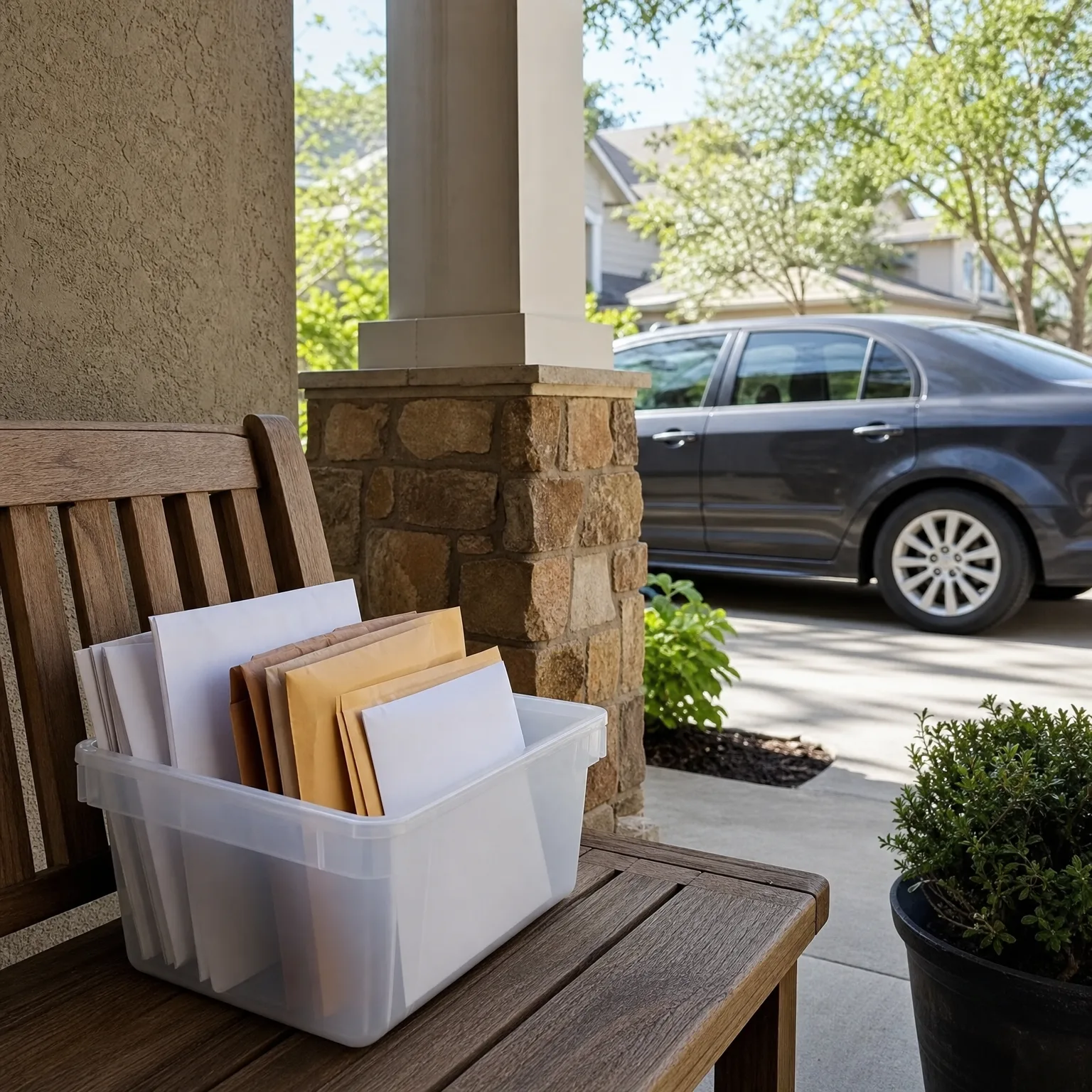
What you actually drive now
Insurers price a policy around the car and how it's used, not around the household it used to serve. If your mileage has dropped because you're not commuting to a shared job or running a second set of errands, that alone can lower your rate, whether or not you change cars.
A smaller car often costs less to insure because it typically costs less to repair and replace. That's a real saving, but it comes from the car's value and repair cost, not from being smaller in a general sense.
Before deciding anything, call your insurer and ask what your policy would look like if you kept the current car but updated your mileage and usage. That tells you how much of the saving is really about the car versus about how it's driven now.
If you do look at a smaller car, ask about its safety ratings and repair costs specifically. Not all small cars are cheaper to insure. Some cost more if parts are expensive or the model is a frequent theft target.

What people get wrong about downsizing
A common assumption is that a smaller, newer car will automatically cost less to insure than an older, larger one already paid off. That's not always true. A newer car often carries more required coverage, and a paid-off car can be insured for liability only, which can cost less than full coverage on something new.
Another thing people overlook is their own driving record and how long they've been with their current insurer. Loyalty discounts, a clean record, and a long history with one company sometimes outweigh any saving from switching cars. Changing insurers to get a new car can sometimes undo those discounts.
If you're also making other changes, like adjusting coverage because you're the only driver now, it helps to look at the whole policy at once rather than changing the car first and the coverage later. Ask your insurer to walk through both together so you can see where the actual savings come from.
Questions people ask about this
Does my car insurance change automatically after my spouse passes away?
No, you need to contact your insurer directly to update the policy. They'll need to know the car is now driven by one person, and you may need to remove your spouse as a listed driver or change how the policy is held.
Will removing my spouse from the policy lower my rate?
It can, but it depends on who was the primary driver on record and how the policy was structured. Ask your insurer to show you the policy with just your name on it so you can see the actual difference.
Should I switch to liability-only coverage on an older car?
That depends on the car's value and what you'd get if it were totaled. If the car is paid off and worth relatively little, liability-only can make sense, but check the payout value with your insurer first.
Do I need less coverage if I drive fewer miles now?
Lower mileage can lower your premium, but it's a separate question from the type of coverage you carry. Tell your insurer your new typical mileage so they can adjust the policy accurately rather than guessing.
Is it better to keep my current insurer or shop around after a big life change?
It depends on how long you've been with your current insurer and what discounts you'd lose by leaving. Ask your current insurer what loyalty or long-term discounts apply before comparing other quotes.
See what a policy built around your current car and driving actually costs.
Start by calling your current insurer and asking them to re-quote your policy based on your actual mileage and who's driving now. Bring your most recent renewal notice and your odometer reading so the numbers are accurate. Ask specifically whether removing a driver or adjusting coverage changes the price more than changing the car would. If you're considering a smaller car, get the insurance cost for that specific make and model before you buy, not after. Compare that number to what your current car costs you re-quoted the same way, so you're comparing like with like.