How to Stay Safe Driving Alone at Night
The biggest risk isn't the dark itself, it's driving at night without adjusting for how your eyes and reflexes have changed.
Plan the drive differently than you did at thirty
Staying safe driving alone at night means slowing down earlier than you think you need to, giving yourself more following distance, and sticking to roads you know well. Night vision changes with age in ways that have nothing to do with how healthy or alert you feel. Glare takes longer to clear, contrast is harder to pick up, and peripheral vision narrows.
None of that means you shouldn't drive at night. It means the margin for error is smaller, so the habits that cost you nothing in daylight, following close, glancing at your phone, pushing past when you're tired, cost more after dark. The rest of this page is about where to put your attention first.
Your eyes, and when you last had them checked
Most of what changes about night driving as you get older comes down to vision, and it changes gradually enough that you may not notice it happening. Glare recovery is usually the first thing to go. Headlights from an oncoming car can leave a bright spot in your vision for several seconds longer than they used to, and in that time you've covered real distance.
An eye exam that checks for this specifically is worth asking for, not just the standard test for your license renewal. Ask your eye doctor directly whether your night vision and glare recovery have changed since your last visit. If you wear glasses, ask whether an anti-reflective coating would help with oncoming headlights.
If you notice yourself slowing down more than other traffic around you after dark, or avoiding certain roads because of how lit they are, that's information worth acting on rather than working around. It's also worth mentioning to your doctor if you're on any medication, since some affect night vision or reaction time.
Your state may require a vision test at renewal, and some states test more often as drivers get older. Check with your state's DMV for what applies to you and how often.
Your headlights and windshield, not just your eyes
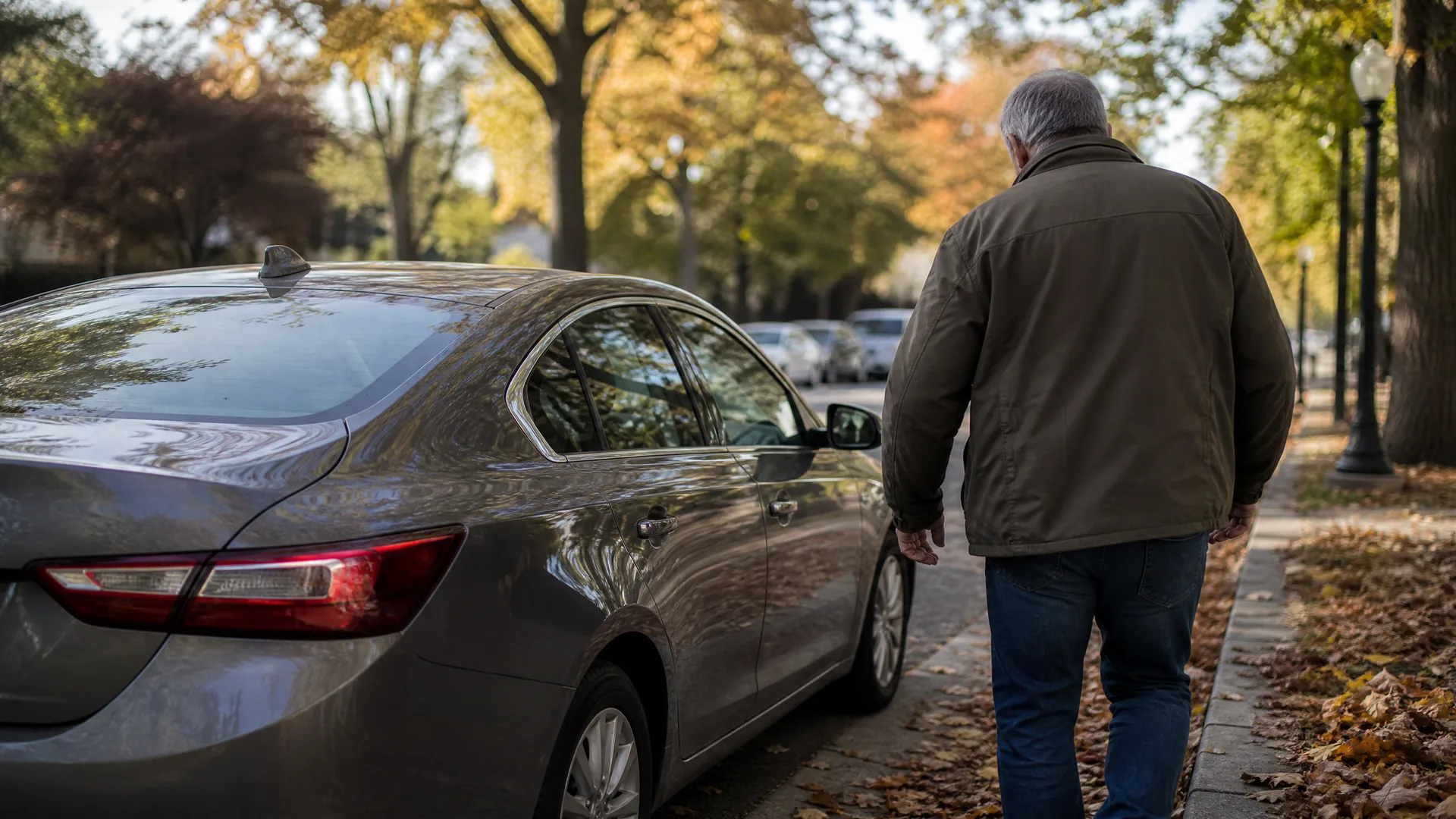
A lot of what gets blamed on aging eyes is actually the car. Headlights haze over and dim well before most people think to replace them, and a windshield with small pits and scratches scatters oncoming light in a way that makes glare worse than it needs to be.
Check your headlights for a yellowish, cloudy look, that's a sign they're not putting out as much light as they should. Headlight restoration kits are inexpensive and take an afternoon. A windshield replacement is a bigger expense, but if yours is pitted from years of highway driving, it may be doing more to your night vision than you realize.
Aim matters too. Headlights that are misaligned can blind oncoming drivers while lighting less of your own lane than they should. A mechanic can check and adjust this in a few minutes during a routine service visit.
Keep your dashboard dimmed at night as well. A bright instrument panel competes with your eyes' ability to adjust to the dark road ahead.
Questions people ask about this
What time should I stop driving at night as I get older?
There's no set time that applies to everyone, it depends on your own vision and how you feel behind the wheel after dark. Some drivers find dusk, the period right as the sun sets, harder than full darkness because of the shifting light. Pay attention to which hours give you trouble and plan trips around them rather than picking an arbitrary cutoff.
Does a driving course help with night driving specifically?
Some refresher courses aimed at older drivers cover night driving as part of the material, including how to adjust speed and following distance for reduced visibility. Ask your insurer whether they recognize a particular course before you sign up, since not all of them count toward a discount even if the content is useful.
Should I tell my insurer if I'm avoiding night driving?
It's worth asking your insurer how they view a change like this, since practices vary by company. Some insurers ask about typical driving patterns when you renew, and a lower annual mileage or a change in when you drive can affect your premium. Ask directly rather than assuming it will or won't matter.
Is it safer to take back roads or highways at night?
Highways are better lit in many areas and have fewer of the sudden hazards you get on back roads, like unlit intersections or pedestrians without reflective clothing, but they also mean higher speeds and more oncoming headlight glare. The better road is the one you already know well, since familiarity cuts down on the surprises that are hardest to react to at night.
What should I do if headlights from other cars bother me more than they used to?
Mention it to your eye doctor specifically, since increased glare sensitivity can be an early sign of cataracts or other changes that a routine checkup might miss if you don't bring it up. In the meantime, avoid looking directly at oncoming headlights and instead focus on the right edge of your lane, which keeps you oriented without staring into the glare.
If changes to your driving have you rethinking your coverage, it's worth seeing what else is out there.
Book an eye exam that specifically checks your night vision and glare recovery, not just your standard vision test, and ask your doctor directly whether anything has changed since last time. Have your mechanic check your headlights for cloudiness and proper aim at your next service visit. If you've started avoiding certain roads or times of day, call your insurer and ask how that affects your policy rather than assuming it will lower your rate on its own. Check your state's DMV site for what vision testing or renewal rules apply to you specifically. Keep a short list of the roads and times that give you trouble, it will make the eye exam and the conversation with your insurer more useful.