How to Organize Paperwork After a Loss
Start with the police report and your policy number, then build one folder for everything else that follows.
Keep one folder, add to it as things arrive
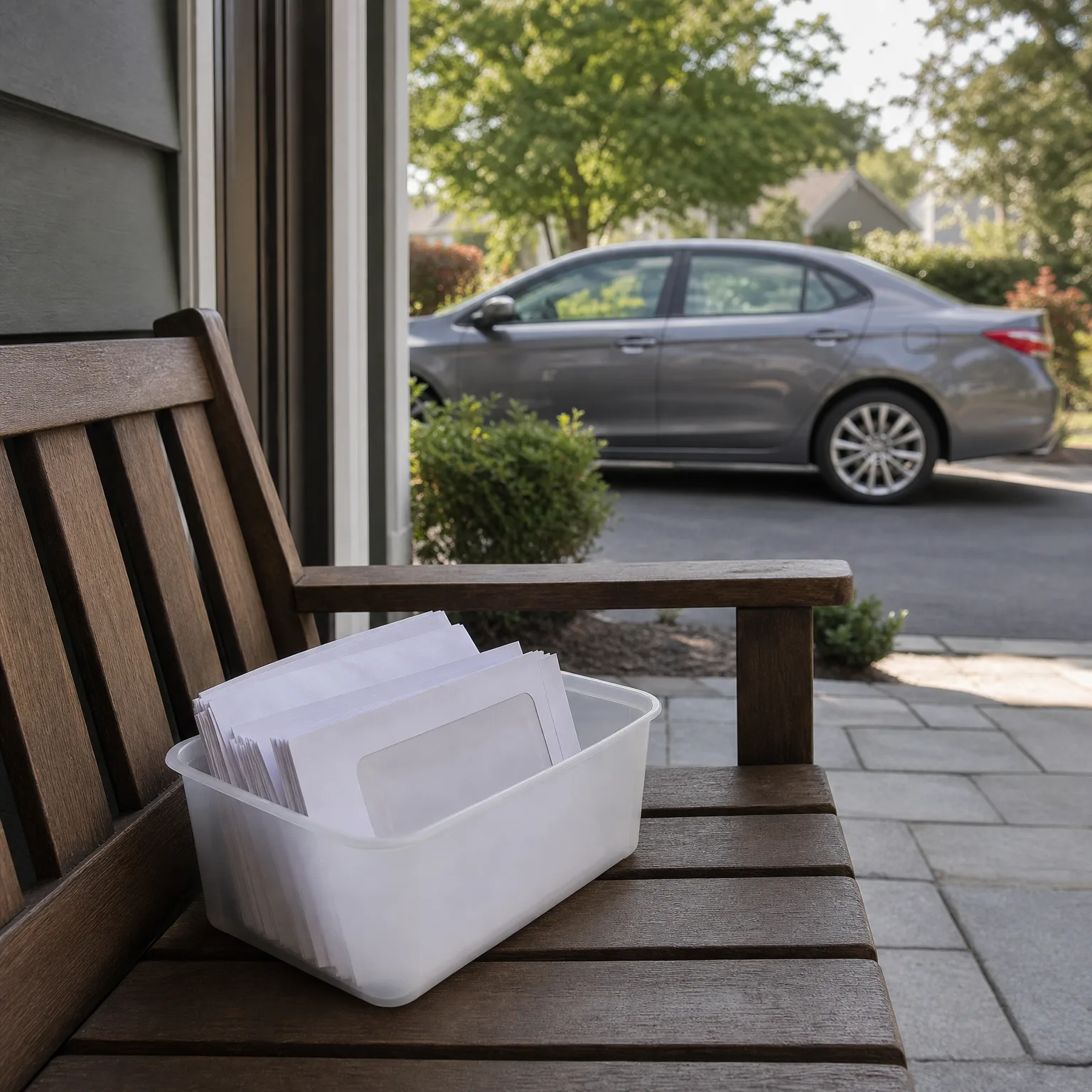
Start a single folder, paper or digital, the day the loss happens. Put the police report number, your policy number, and the claim number in it as soon as you have them. Everything else gets added as it comes in rather than chased down later.
This matters more as you get older because a loss often means dealing with a claims adjuster, a repair shop, and maybe a rental car company at the same time, each asking for something slightly different. One folder means you're not repeating yourself or hunting for a receipt you remember seeing somewhere.
What to gather depends on whether anyone was hurt
If the loss involved only property, your folder centers on the vehicle: photos of the damage, the police report, repair estimates, and any correspondence with your insurer. Keep the name and badge number of the officer who responded, since you may need to request the full report later.
If anyone was injured, add medical paperwork to the same folder. Keep copies of emergency room bills, follow-up visit summaries, and any note from a doctor about missed work or ongoing treatment. Insurers settling injury claims will ask for this directly, and having it organized from the start means you're not reconstructing a timeline months later.
Either way, write down the other driver's insurance information and contact details the same day, even if you also have the police report. Reports can take time to process, and you may need to reach the other party before it's finalized.
What people get wrong is treating the claim as finished too soon
Many people file the claim, get the check, and close the folder. But if a repair uncovers more damage than first estimated, or a medical issue shows up weeks later, you'll want the original paperwork to show what was reported and when.
Keep the folder until the claim is fully closed and any repairs are complete, not just until the first check arrives. If you're asked to sign a release of future claims, read what it covers before you sign it. Some releases close out everything related to the loss, including problems that haven't surfaced yet.
If you're helping a parent with this, ask whether they've kept any of this already. People who've had the same insurer for decades sometimes assume the company keeps records for them indefinitely. Insurers do keep claim files, but getting a copy later can take time, so it's simpler to hold onto your own.
Questions people ask about this
How long should I keep claim paperwork after a car accident?
Keep it longer than feels necessary, since problems can surface after a claim looks closed. If injuries were involved, hold onto medical records for as long as your state allows a related claim to be filed, which you can confirm with your state's insurance department or an attorney if there's any question.
Do I need to keep paperwork if the other driver was at fault?
Yes, because their insurer may dispute fault or the details of the damage, and your own records are what you'd rely on to respond. Keep your copy of the police report, your photos, and any written statements separate from what you send to their insurance company.
What paperwork does my insurer actually need from me?
This varies by insurer and by the type of claim, so ask your claims adjuster directly what they require rather than guessing. Common requests include the police report, photos, repair estimates, and in injury claims, medical bills, but confirm the list with your adjuster early so you're not sending things twice.
Should I keep paperwork separate from my insurance policy documents?
Yes, keep your policy documents filed separately from any individual claim so you always know which coverage and limits applied at the time of the loss. If you renew or change insurers afterward, you'll still want the original policy on hand in case questions come up about what was covered.
What should I do with paperwork once the claim is closed?
Move it out of active files but don't discard it right away, especially if there was any injury or disputed fault. A dated folder in storage, physical or digital, is enough. You're keeping it in case something related comes up later, not because you expect to need it.
If a loss made you take a second look at your coverage, this is a reasonable time to compare what else is out there.
This week, start one folder and put your police report number, policy number, and claim number in it as soon as each one is assigned. Photograph the damage before any repairs begin, and keep the shop estimate alongside whatever your insurer sends back. If anyone was hurt, keep every medical bill and note from a doctor in the same folder rather than a separate one. Ask your claims adjuster directly what else they need rather than guessing, and get it in writing when you can. Don't close out the folder until repairs are done and you understand exactly what any release you're asked to sign actually covers.