How to Handle Roadside Emergencies Alone
Handling a roadside emergency alone comes down to what you have in the car before it happens and who you call once it does.
Prepare before you're stranded, then call for help in the right order
The way to handle a roadside emergency alone is to have a plan set up before it happens, then follow it calmly when it does. That means knowing what's in your trunk, knowing who you're calling first, and knowing what your policy actually covers.
Most roadside emergencies aren't complicated once you're in one. The car won't start, a tire is flat, a warning light comes on in traffic. What makes them hard is being alone and not having decided ahead of time what you'd do. The driver who's fine is usually the one who already checked their trunk and already knows their insurer's number.
Whether you have roadside assistance changes everything that happens next
If your policy includes roadside assistance, your first call after you're safely stopped is to that number, not to a tow company you find on your phone. The coverage usually pays for a tow to the nearest shop, a jump start, a tire change, or getting you fuel, and using it means you're not paying out of pocket for something your policy already covers.
If you don't have it, or you're not sure, check your policy or call your agent before you need it, not during. Some insurers sell it as a small add-on. Some don't offer it at all, and you'd be relying on a separate membership or paying a tow company directly.
Either way, know the number before you're on the shoulder of a highway with a dead phone battery and no signal to search for it. Save it in your phone under a name you'll recognize, and keep a paper copy in the glove box in case the phone itself is the problem.
What's in the car matters more than what's in your head
A phone charger that works from the car battery, a flashlight, a reflective triangle or flares, and a basic first aid kit cover most of what goes wrong. None of this requires much space or money, but it has to be in the car, not on a shelf at home.
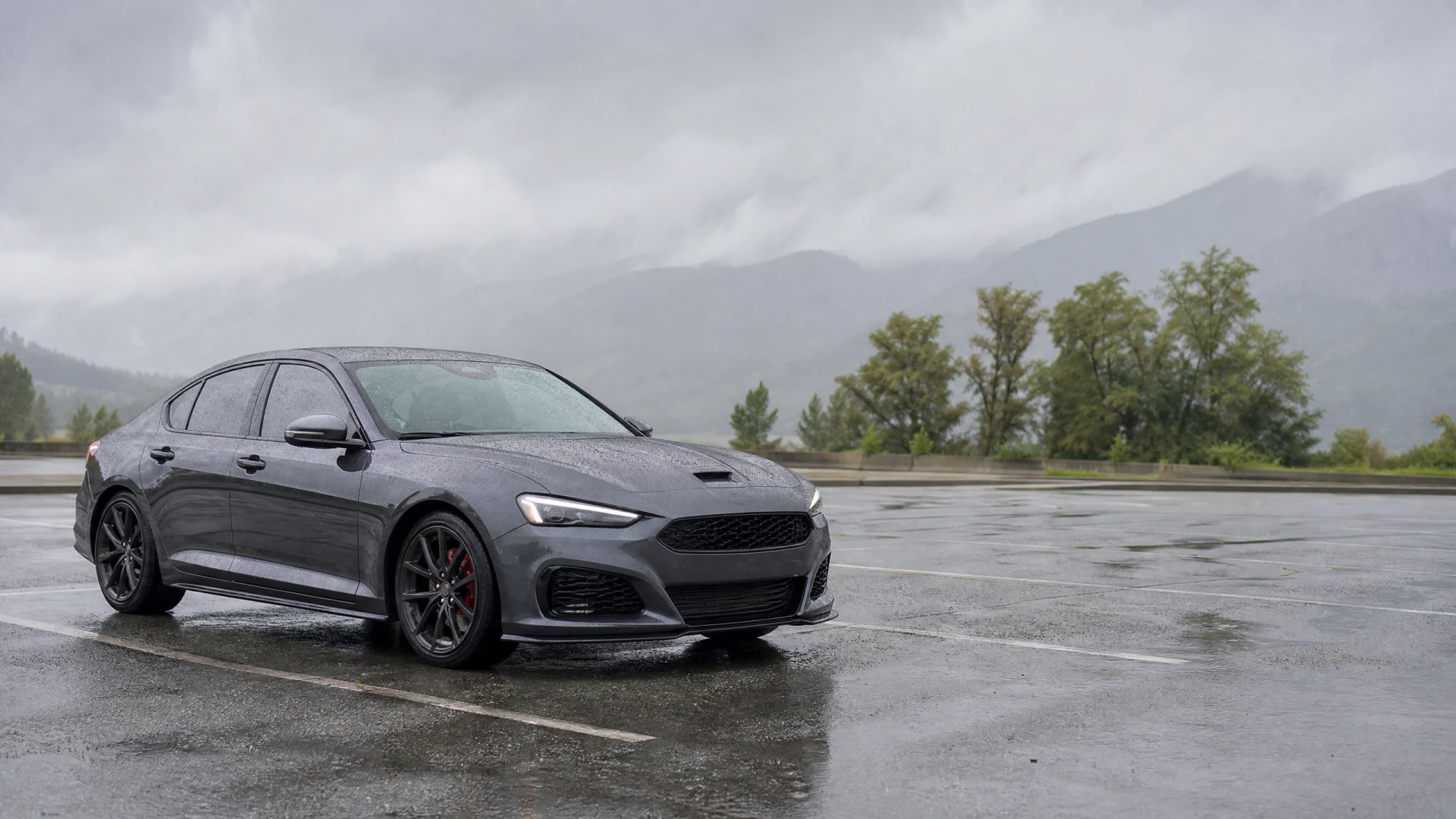
Getting off the road and visible is the first physical step, before anything else. Pull as far onto the shoulder or into a lot as you can, turn on hazard lights, and if you have a triangle or flares, set them behind the car. This is what keeps you safe while you wait, regardless of what caused the breakdown.
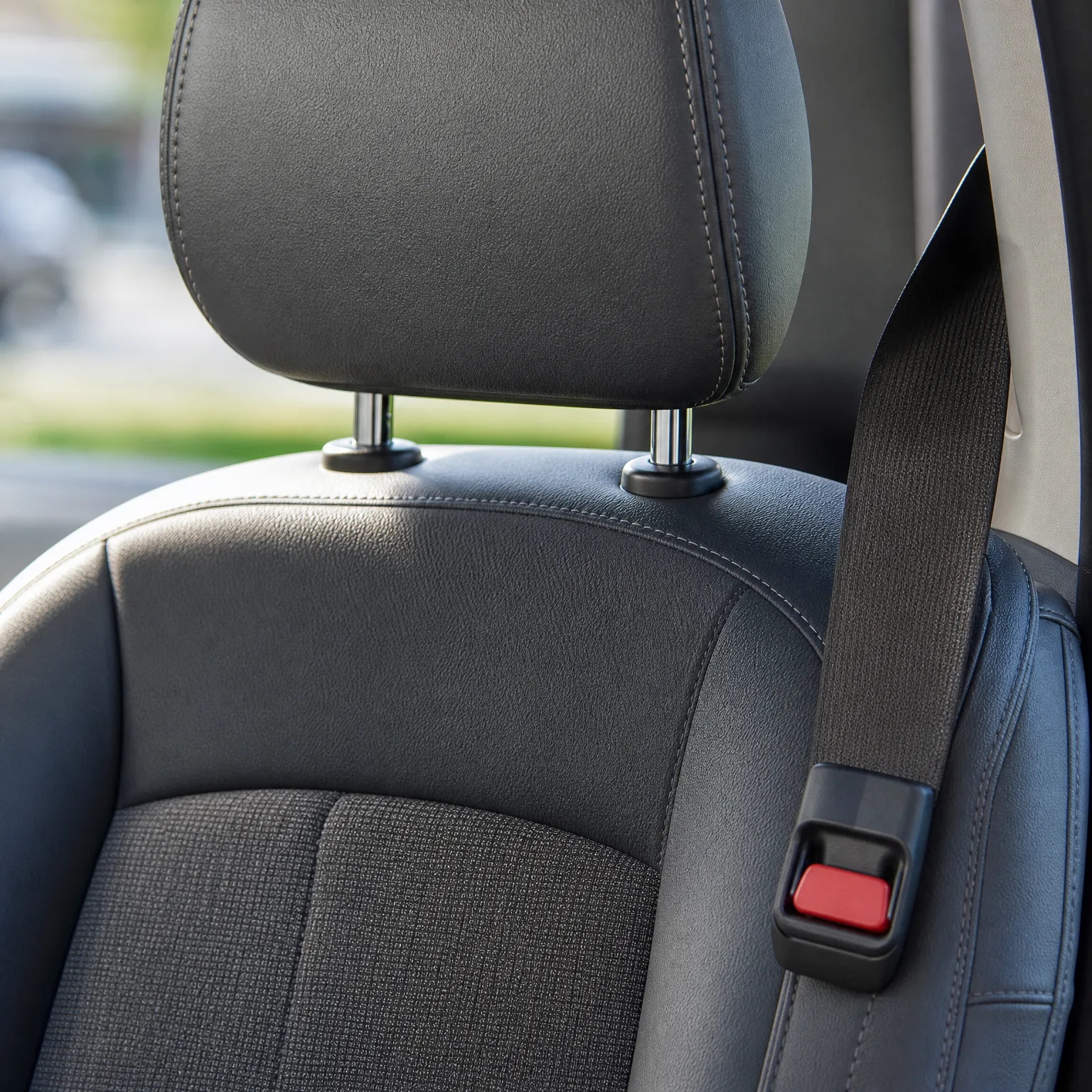
Stay in the car with the seatbelt on if you're on a highway shoulder, rather than standing outside near traffic. If someone stops to offer help and you didn't call them, it's reasonable to stay in the car with the doors locked and just ask them to call for assistance on your behalf.
What your policy covers after the fact, like a tow or a rental car while yours is repaired, is worth knowing too, but it matters less in the moment than being visible, safe, and reachable.
Questions people ask about this
What should I keep in my car in case of a breakdown?
A charged phone or car charger, a flashlight, a reflective triangle or flares, and a basic first aid kit cover most situations. Jumper cables and a tire inflator or sealant are worth adding if you have room. Check these every few months, since batteries die and kits get used without being replaced.
Does my car insurance cover a tow truck?
Only if you have roadside assistance added to your policy or a separate membership for it. Standard liability or collision coverage doesn't include towing on its own. Check your policy declarations page or call your insurer to confirm whether it's included.
What do I say when I call for roadside help?
Give your exact location, what's wrong with the car if you know, and whether anyone is injured. Mile markers, exit numbers, or a cross street help the dispatcher find you faster than a general description. If you're not sure of your location, your phone's map app usually shows it.
Is it safe to wait inside the car during a breakdown?
Generally yes, especially if you're stopped on a highway shoulder with traffic passing close by. Keep your seatbelt fastened and doors locked, and only roll the window down partway to speak with anyone who stops. Standing outside near moving traffic is riskier than waiting inside.
Will a roadside emergency affect my insurance rate?
A breakdown itself, like a dead battery or flat tire, isn't a claim and doesn't affect your rate. If the emergency involves an accident or damage and you file a claim, that's a separate matter from roadside assistance and your insurer can tell you how it's handled.
See what roadside coverage looks like from insurers in your area before you need it.
Find your insurance policy this week and check whether roadside assistance is listed, then save the number in your phone and write it on a card in the glove box. Put together a small kit for the trunk if you don't already have one: charger, flashlight, triangle or flares, first aid basics. If you're not sure what your policy covers for towing or a rental car during repairs, call your agent and ask directly rather than assuming. None of this takes long, and all of it is easier to do now than from the side of a road.