
How to Avoid Scams Targeting Widows
Scams aimed at widows tend to arrive right after a death is in the news or the paperwork, so the best protection is knowing who never calls first.
Slow down before you act on anything unexpected
The surest way to avoid these scams is to treat any unsolicited call, letter, or visit about your husband's insurance, pension, or accounts as something to verify independently, not something to respond to directly. Scammers who target widows often already know the husband has died, sometimes from an obituary, and use that knowledge to sound official.
This holds regardless of how convincing the caller sounds or how much they seem to know. A real insurer or agent will never pressure you to decide on the spot, and they will always be reachable again later at a number you look up yourself.
Where the information about you came from
Obituaries are the single biggest source for these scams. They list a surviving spouse's name, sometimes a town or neighborhood, and occasionally details about the husband's work or military service. That's often enough for someone to call claiming to represent his insurance company, his union, or a benefits office.
If you're the one writing or approving an obituary, consider leaving out the surviving spouse's full name, the address, and any mention of specific policies or benefits. It won't stop every attempt, but it removes an easy starting point.
If someone calls referencing details from an obituary or a funeral home, that's a sign to end the call and check with the actual company yourself, using a number from a billing statement or the insurer's own website, not a number the caller gives you.
Funeral homes and probate filings are public in some places too, so even a careful obituary doesn't make you untraceable. The habit of verifying independently matters more than any one precaution.

What the scam usually asks you to do
Most of these schemes eventually ask for one of three things: a payment to release funds, your Social Security number or account numbers to process a claim, or a signature on paperwork delivered by someone who showed up in person. Legitimate insurers and benefit administrators don't ask a beneficiary to pay money to receive money.
Another common version involves someone offering to help settle the husband's auto policy or life insurance, then asking you to sign over control of a claim or a payout to them for a fee. A real claim goes through the insurer directly, not through a middleman who contacted you first.
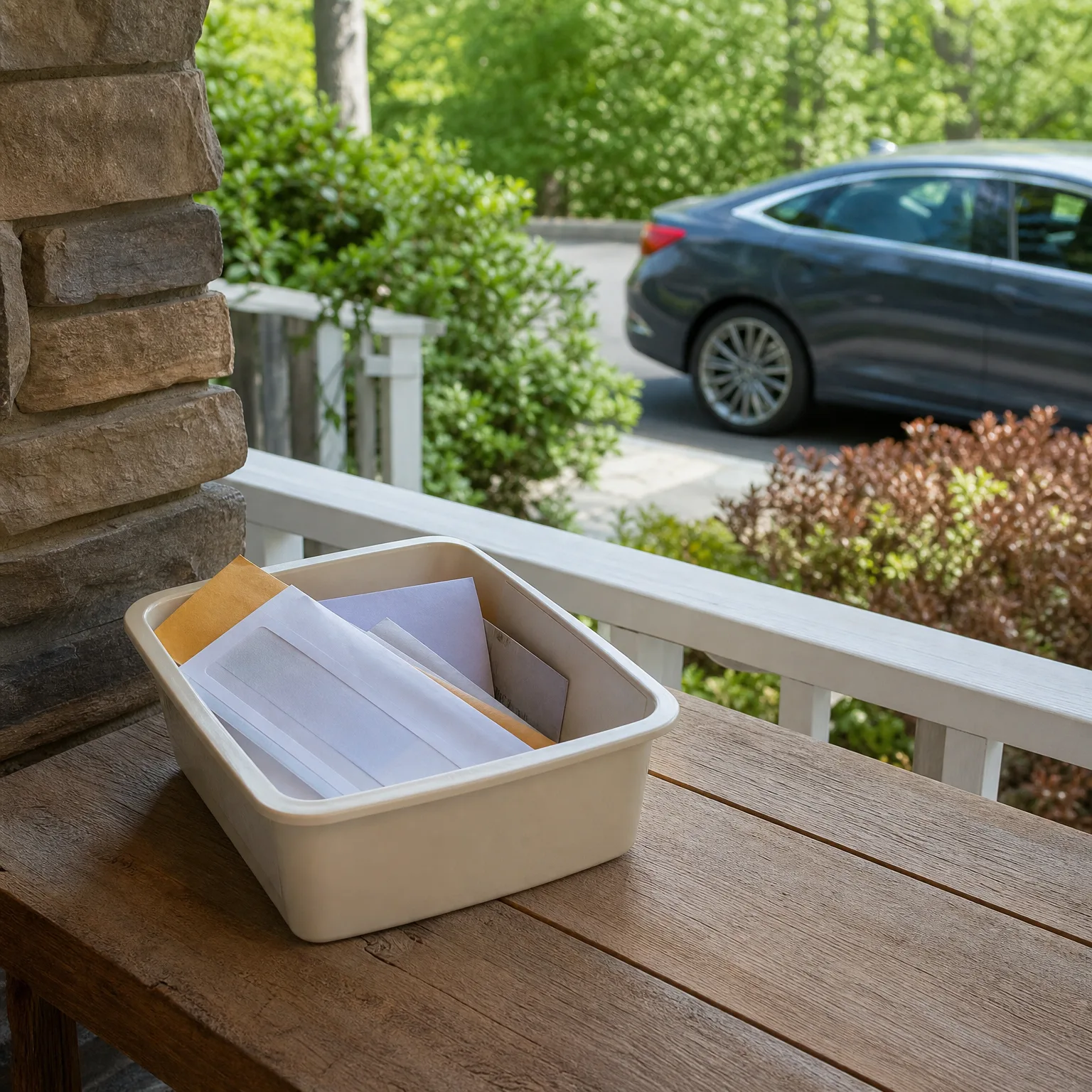
If paperwork shows up by mail or in person and you're not sure it's legitimate, you can call the insurer named on the document and ask them to confirm it was sent and what it's for. Take your time with any signature, especially one notarized at your kitchen table by someone you didn't choose.
Questions people ask about this
Who do I call to check if an insurance letter about my husband's policy is real?
Call the insurer directly, using a phone number from an old billing statement, the policy itself, or the insurer's official website, not any number printed on the letter in question. Ask them to confirm whether they sent it and what action, if any, it actually requires.
Can someone change my husband's car insurance policy without my permission?
Only the policyholder or someone with documented authority, like an executor with the right paperwork, can typically make changes to a policy. If you're told changes have already been made and you didn't authorize them, contact the insurer directly to ask how that happened and what your options are.
Should I cancel my husband's auto policy right away after he dies?
This depends on whether the car is still being driven, whether you're on the policy yourself, and what your state requires for a registered vehicle to stay insured. Ask the insurer what happens to the policy now and whether you need to be added or whether a new policy needs to be started in your name.
How do I find out if my husband had other insurance policies I don't know about?
Start with his financial records, tax returns, and mail for any premium statements, and check with his employer or former employer about workplace benefits. Each state also has an unclaimed property office that can be searched for policies or accounts listed under his name.
Is it normal for an insurance agent to visit my home after a death in the family?
A legitimate agent can visit if you've asked them to or if it's part of an established relationship, but an unsolicited visit from someone you've never dealt with is worth treating with caution. Ask for identification, then call the company they claim to represent, using a number you find yourself, before letting them discuss anything.
If you're reviewing his auto policy or starting a new one in your name, it helps to see what a straightforward quote actually looks like.

This week, gather his insurance documents, recent statements, and any paperwork that's arrived since he died, and set them in one place before responding to any of it. For anything that asks for money, personal information, or a signature, call the company named on the document yourself, using a number you find independently. If you're not sure whether a call or letter is connected to a real policy, your state's insurance department can tell you whether the company is even licensed to sell there. Ask a trusted family member or friend to sit with you before signing anything you're unsure about. Keep a simple log of who has contacted you and when, in case you need it later. None of this has to be resolved immediately, and anyone pushing you to act fast is telling you something about themselves, not about the paperwork.