Does Car Insurance Cover Death of Owner
The policy doesn't automatically protect the car once the owner has died, and someone needs to act quickly to avoid a gap.
Coverage doesn't continue on its own
When a policyholder dies, their car insurance doesn't simply keep working as before. Some insurers will honor the policy for a short period while the estate is settled, but this isn't guaranteed and isn't the same in every state or with every company.
What matters most is who still needs to drive the car and how soon someone contacts the insurer. If the car sits unused, that's a different conversation than if a spouse or family member needs to keep driving it. Either way, the insurer needs to be told what happened and who is driving now.

Who is still driving the car
If the person who died was the only driver on the policy, the car still needs insurance if anyone is going to drive it, even to move it or take it for service. An uninsured car parked in a driveway isn't a problem until someone gets behind the wheel.
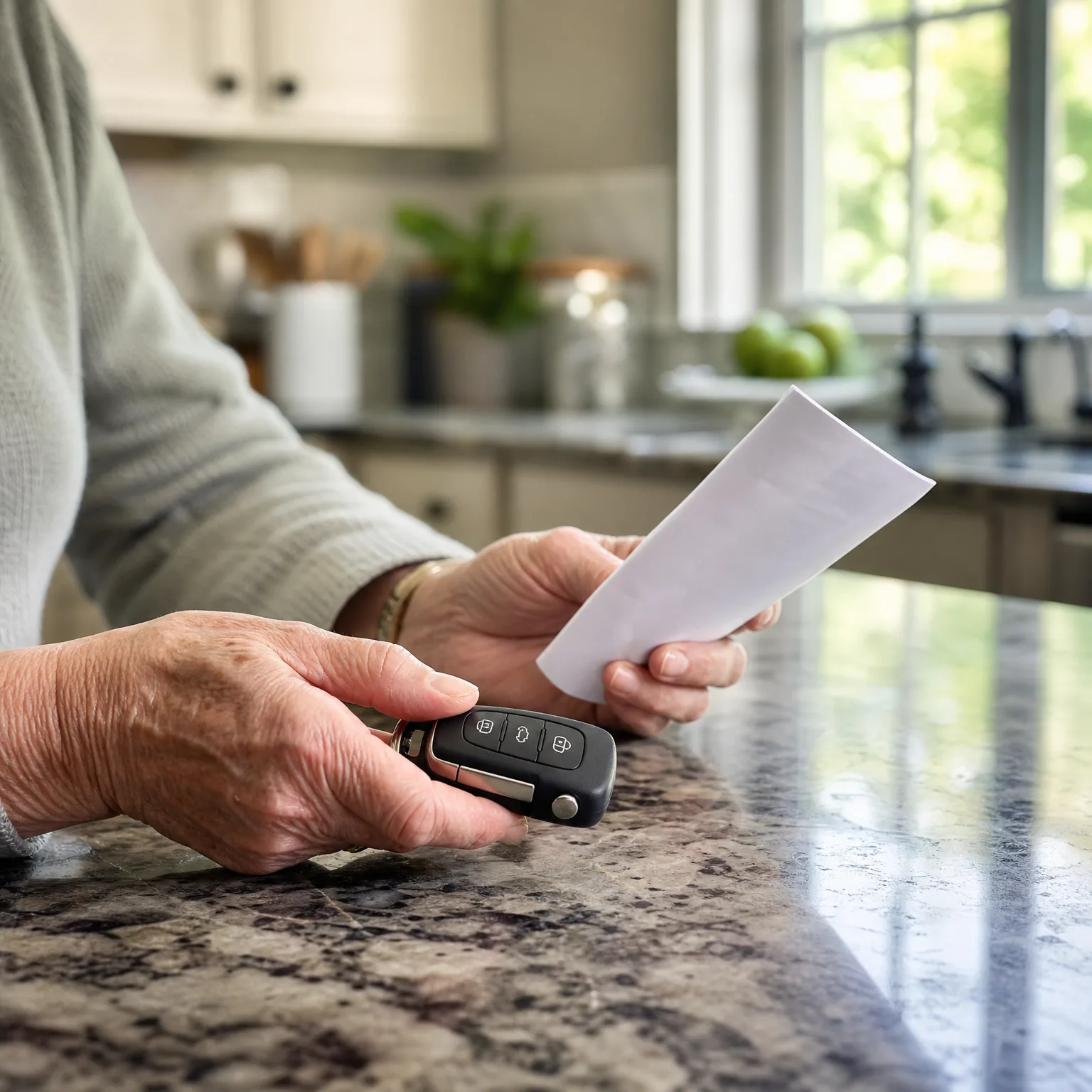
If a spouse or another household member was already listed on the policy, they usually can keep driving under that same policy while the paperwork gets sorted out. The insurer will still need a copy of the death certificate and will want to update who the policyholder is.
If no one else was listed, the insurer may ask the family to take out a new policy in someone else's name before the car is driven again. This is a question for the insurer directly, since the answer depends on their own rules and on the state the policy was written in.
Until ownership and the policy are sorted out, it's worth asking the insurer whether the car is covered at all if it's driven, even briefly.
What the estate and the insurer need from each other
The insurer will ask for a death certificate before they'll talk about changing or canceling the policy. Without it, they generally won't make changes to the account, even if a family member calls and explains the situation.
The named beneficiary of the estate, or whoever is handling the deceased's affairs, usually has to be the one dealing with the insurer, not just any relative. If probate is involved, the insurer may ask for documentation showing who has authority to act on the estate's behalf.
If the car is going to be sold or transferred to someone else, that's a separate step from sorting out the insurance. The policy and the title don't move together automatically, and each has its own process.
It's worth asking the insurer early whether any refund is owed for time left on the policy, since this differs by company and by state.
Questions people ask about this
Who cancels a car insurance policy after someone dies?
Usually whoever is handling the estate, such as the executor or a close family member with authority to act on the deceased's behalf. The insurer will typically ask for a death certificate before making any changes. If you're not sure who has that authority, it's worth checking with whoever is managing the will or the estate.
Can you drive a deceased person's car before the insurance is changed?
This depends on whether you were already listed on the policy. If you were, you may be able to keep driving under that same policy for a while. If you weren't, the car likely isn't covered for you, and it's best to ask the insurer directly before driving it.
Does life insurance have anything to do with car insurance after death?
No, these are separate policies with separate insurers, even if the same company sold both. A life insurance payout doesn't affect whether the car insurance continues or needs to be replaced.
What happens to a car loan if the owner dies and the car isn't insured?
The loan doesn't go away, and the lender will usually still require the car to be insured if anyone is driving it. If the estate is paying off the loan or transferring the car to someone else, that person will need their own policy before taking over the car.
Do you need a new policy if you inherit a car?
Generally yes, since the old policy was tied to the previous owner, not the car itself. Once the car is transferred into your name, you'll need to set up your own policy, and your insurer can tell you what documents they need to make that change.
See what a new policy would cost before you put the car back on the road.
Find the death certificate and figure out who has authority over the estate, since the insurer will ask for both before changing anything. Call the insurer this week to explain the situation and ask directly whether the car is covered if anyone drives it in the meantime. Ask about any refund owed on the existing policy, since this varies by company. If the car is going to a specific family member, start pricing a new policy in their name so there's no gap once the title transfers. Keep copies of everything you send the insurer, since estates sometimes take longer to settle than expected.