Does Canceling Car Insurance Hurt Credit
Canceling a policy doesn't touch your credit score, but it can still cost you if you leave a gap in coverage.
No, canceling your car insurance does not affect your credit score
Your credit score is built from how you handle credit: loans, credit cards, payment history. Car insurance isn't part of that. An insurer canceling you for not paying, or you canceling on your own, doesn't get reported to the credit bureaus.
What can hurt you is a gap in coverage. If you cancel and go without insurance for a while, insurers tend to charge more when you sign up again, because a lapse makes you look like a higher risk to them. That's a separate thing from credit, but it can feel similar since it also costs you money down the road.

Whether you have a new policy lined up before you cancel
If you're switching companies, the safest order is to get the new policy in place first, then cancel the old one. That way there's no day where you're driving without coverage.
A lapse of even a short stretch can show up when a new insurer checks your insurance history. Some will ask directly whether you've had continuous coverage. If you haven't, they may price your policy as if you're starting over, without credit for your past years of being insured.
If you're canceling because you're no longer driving, that's different. There's no lapse to worry about since you don't need coverage. Just be clear with your insurer about the reason so it's recorded correctly.
Either way, call your current insurer before you cancel and ask what date they'll process it. You want that date to line up with your new policy's start date, not come before it.
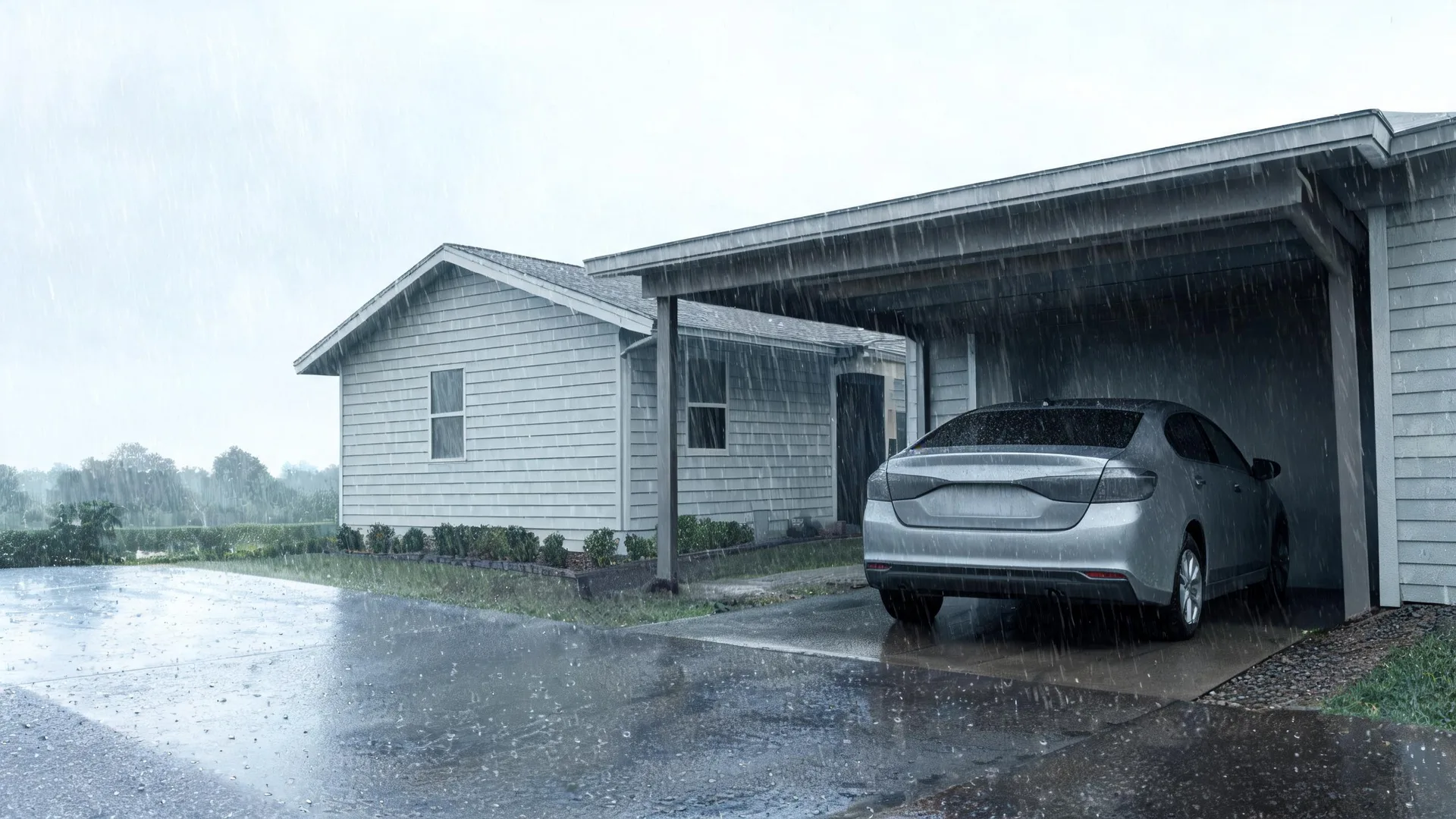
What your state and lender require you to carry
If you still owe money on the car, your lender almost certainly requires you to carry full coverage, not just liability. Canceling while you have a loan can trigger force-placed insurance from the lender, which is usually expensive and doesn't protect you the way your own policy would.
Every state also sets its own minimum insurance requirement if you're going to keep the car registered and on the road. If you cancel and your state's DMV finds out you have no coverage, you can face a suspended registration or license, separate from anything related to credit.
If you're canceling because you've stopped driving altogether, ask your DMV what you need to do about registration at the same time. Keeping a car registered with no insurance is often what causes the real penalties, not the cancellation itself.
Questions people ask about this
Does a lapse in car insurance show up on a background check?
It can show up in an insurance history report, which some insurers and employers in certain jobs check, but it's not part of a credit background check. Insurance history and credit history are tracked separately.
Will canceling car insurance affect my ability to get a loan?
Not directly. Lenders look at your credit report, and car insurance isn't on it. The exception is if the loan is for the car itself, since most auto lenders require you to keep it insured for as long as you owe money.
Does switching car insurance companies hurt your credit?
No, switching companies doesn't affect your credit score. Some insurers check your credit when they price a new policy, but that's a soft inquiry in most states and doesn't lower your score the way applying for a loan would.
Can an unpaid car insurance bill go to collections and affect credit?
Yes, this is different from simply canceling. If you cancel and still owe money for coverage you already used, and you don't pay it, the insurer can send that unpaid balance to a collections agency. A collections account does affect your credit.
How long does a gap in car insurance stay on your record?
This depends on the insurer, since each one keeps its own underwriting history rather than reporting to a shared credit bureau. Ask any insurer you're considering how far back they look and whether a past gap would raise your rate.
If you're thinking about canceling, it's worth seeing what a new policy would actually cost first.

Before you cancel anything, call your current insurer and ask for the exact date your coverage will end. If you're switching, line up the new policy so it starts that same day, with no gap in between. If you're giving up the car or stopping driving, ask your state's DMV what happens to the registration once insurance ends, since that's often handled separately. Keep a copy of your cancellation confirmation and your old policy's proof of coverage dates, in case a future insurer asks about your history. None of this touches your credit score, but it can change what you pay for insurance next.