
Can You Drive a Deceased Person Car
You generally cannot drive the car legally until the title and insurance are sorted out, even if you have the keys.
It depends on who owns the car now, not who used to own it
Once someone dies, the car becomes part of their estate. It isn't yours to drive just because you're family, you had a key, or you drove it before. Ownership has to pass to someone through probate, a transfer-on-death title, or whatever process the state uses, before it's legally someone else's car.
Insurance follows the same logic. The policy was written for the person who died. Once they're gone, that coverage is in question, and driving the car without valid insurance in your name or the estate's name puts you at risk if anything happens.
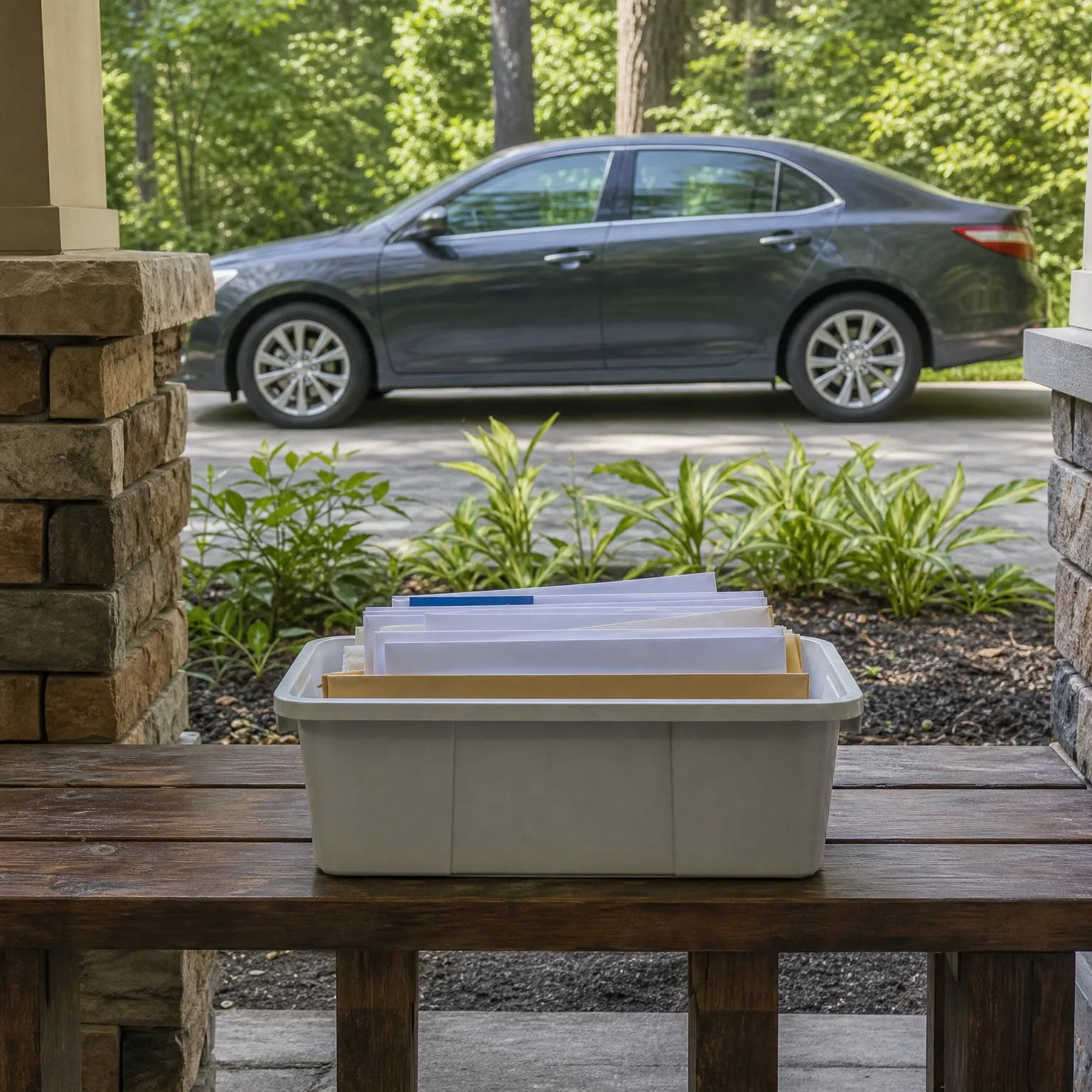
Who the title names matters more than who drives the car
If the title is still in the deceased person's name, the car legally belongs to their estate until a court or the state's transfer process says otherwise. Some states allow a simplified transfer for a surviving spouse or a small estate, but the rules for that are set by the state, so check with the state's motor vehicle agency or the probate court handling the estate to find out what applies.
Until that transfer happens, driving the car isn't necessarily illegal on its face, but it puts you in a gray area. If you're stopped, or if you're in an accident, you may need to show you have some right to be driving it. A death certificate and proof that you're handling the estate can help, but they aren't the same as having clear title.
If you're the one settling the estate, ask the probate court or the DMV what paperwork lets you drive the car in the meantime, if anything does. Some states issue a short-term authorization for exactly this situation.
If there's a will that names you as the person who inherits the car, that helps establish your claim, but it usually still has to go through the process the state requires before the title is actually yours.
The insurance question is separate from the title question
Even if you have a legal right to drive the car, you need valid insurance on it. A policy taken out by the person who died doesn't automatically cover you, and many insurers consider the policy void or in question once they're notified of the death.
Call the insurer and tell them what happened. Ask directly whether the existing policy still provides coverage, for how long, and who it covers while the estate is being settled. Don't assume the answer. It varies by insurer and by state.
If you're going to be driving the car regularly, you'll likely need to get your own policy on it, or have the estate keep the existing policy active with you added as a driver, if the insurer allows that. Either way, don't drive it on the assumption that the old policy has you covered.
If the car sits unused while the estate is settled, ask the insurer about keeping a minimal policy in place anyway. An uninsured, unmoved car can still be at risk from theft or weather damage, and a lapse in coverage can also make it harder to insure later.
Questions people ask about this
How do you transfer a car title after someone dies?
The process is set by the state and usually depends on whether the estate goes through probate. Some states have a simplified affidavit process for transferring a vehicle title without full probate, often tied to the value of the estate or the relationship to the deceased. Check with the state's DMV or title agency for the specific steps and documents required.
Can you sell a deceased person's car before the title is transferred?
Generally no, not until you have legal authority to act on behalf of the estate, which usually means being named executor or administrator, or using a state's simplified transfer process. A buyer will also want to see that the title is clear or properly transferable. Check with the probate court or DMV before agreeing to any sale.
What happens to a car loan when the owner dies?
The loan doesn't disappear. It becomes a debt of the estate, and payments typically need to continue or the lender may repossess the car. If someone wants to keep the car, they may need to refinance the loan in their own name once the title transfers to them. Contact the lender directly to ask how they handle this situation.
Do you need a death certificate to insure a deceased person's car?
Most insurers will ask for one when you report the death and ask about coverage options. It helps establish why you're calling about the policy and who you are in relation to the deceased. Ask the insurer directly what documentation they need before they'll discuss or change the policy.
Can a family member be added to a deceased person's insurance policy?
This depends entirely on the insurer's rules and the state's requirements, so there's no single answer. Some insurers may allow a surviving spouse or estate representative to be added temporarily while the estate is settled. Call the insurer and ask directly what they allow in this situation.
Once the car and its title are legally yours, it's worth comparing quotes to make sure you're not paying for the deceased person's old policy by default.

Start by finding the car's title and figuring out whether the estate is going through probate or qualifies for a simplified transfer in that state. Call the deceased person's insurer and ask directly whether the existing policy covers anyone driving the car right now, and for how long. Contact the state's DMV or the probate court handling the estate to ask what paperwork is needed to drive the car legally in the meantime. Keep the death certificate and any probate documents on hand, since most of these conversations will ask for them. Once the title is transferred to you, get your own policy in place before you rely on the car day to day.