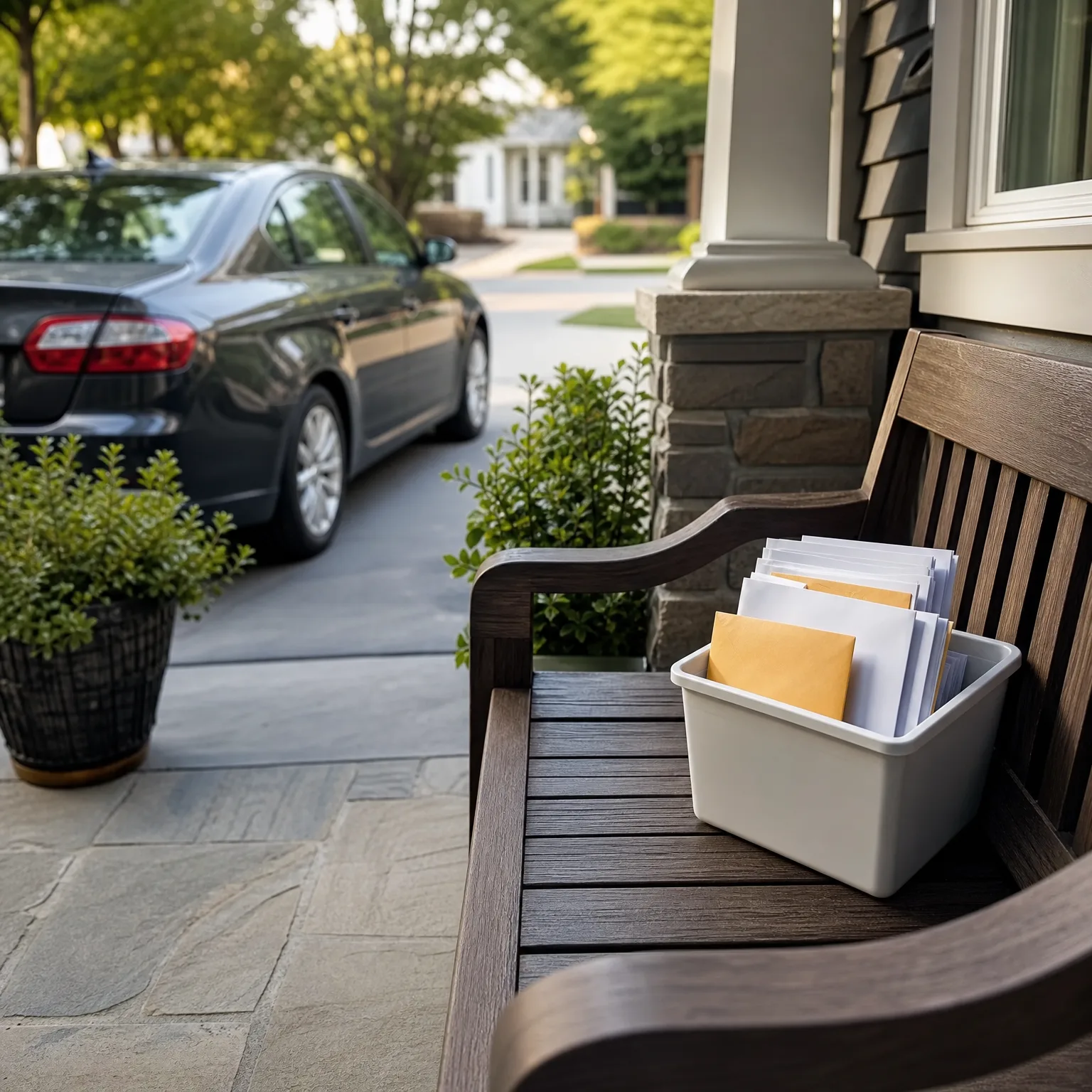
Can I Drive the Car My Spouse Left Behind
You can likely drive the car, but whether you're covered depends on the policy, not just the keys.
Yes, usually, but the policy has to say so
Driving the car itself isn't the problem. Being covered while you drive it is. If you were already listed as a driver on the policy, you're almost certainly fine to keep driving it. If you weren't, the coverage may not extend to you even though the car is sitting in your driveway.
This matters more now than it did before, because the reason you're driving it has changed. An insurer that would have waved off an occasional trip in your spouse's car may look differently at you driving it regularly or permanently. Call the insurer and ask directly whether you're a covered driver on that policy right now, not whether you were in the past.

Whose name is on the title and the policy
If the car was titled jointly, or if you're listed as a driver on the policy, this is simple. You keep driving, and at some point you update the policy to reflect your situation, but there's no gap in coverage to worry about today.
If the car was titled only in your spouse's name, you may need to retitle it before an insurer will treat you as the owner rather than a permitted driver. States handle this differently when someone has died, and some have a simplified process for a surviving spouse. Ask your state's motor vehicle agency what they need, usually a death certificate and some proof of the relationship.
If you're not sure whether you were listed as a driver, don't assume. Ask the insurer to confirm it rather than guessing from the premium or the paperwork you have at home.

What changes once the insurer knows
Insurers want to know who regularly drives a car, and a spouse's death changes who that is. Once you tell them, they may reissue the policy with you as the primary driver, which can change the premium in either direction depending on your own driving history and age.
Don't put off telling them to avoid that conversation. If something happened while you were driving and the insurer later found out the policy didn't reflect who was actually using the car, that's the kind of gap that causes a claim to be questioned.
If your spouse had a separate policy and you also have your own car and your own policy, ask whether it makes sense to combine them. Some insurers offer a lower combined rate for a household's vehicles, though whether that applies to you depends on both policies and both insurers.
Questions people ask about this
Do I need to transfer the title before I can get insurance in my name?
Often yes, because most insurers want the person named on the policy to also be the owner on record. Ask your insurer whether they'll insure you as a driver while the title transfer is in progress, since many will for a limited time. Check with your state's motor vehicle agency about what documents they need to retitle a car after a spouse's death.
What happens to my spouse's policy after they die?
It doesn't end on its own, but the insurer needs to be told so they can update who the covered drivers are. Some insurers will keep the policy active under the surviving spouse's name with minimal disruption, others treat it as a new policy. Ask specifically what happens to the policy's history, like any claims-free discount, when you make this change.
Will my premium go up if I take over my spouse's car?
It depends on how your own driving record and age compare to how the policy was rated before. If your spouse had a long clean record and you're new to that policy, the insurer may reassess the rate. Ask the insurer to explain how they're calculating it rather than assuming it will rise.
Can I drive the car before I've sorted out the insurance and title?
This depends on your state and your insurer, so don't assume either way. Some states allow a grace period for retitling after a death, and some policies extend coverage temporarily to a surviving spouse. Confirm both with the relevant agency and the insurer before you rely on the car regularly.
Do I need a new policy or can I just add myself to the existing one?
Either can work, and which makes sense depends on whether you already have your own policy and your own car. If you have no policy of your own, it's often simplest to be added to or take over the existing one. If you already have a policy, ask whether adding this car to it or keeping it separate costs less.
See what it would cost to insure this car in your own name before you decide anything.

Call the insurer this week and ask plainly whether you're currently a covered driver on your spouse's policy. Have the policy number and, if you can find it, something showing who was listed as a driver. Separately, contact your state's motor vehicle agency and ask what they need to retitle the car, since most will ask for a death certificate and proof of your relationship. If you already have your own auto policy, ask that insurer too, since combining the cars may change what either costs. Don't wait for a renewal notice to have this conversation, since an unreported change can complicate a claim if something happens in the meantime.